


When it comes to choosing the right suiting fabric, two popular options often stand out: TR fabric suiting and silk suiting. As a TR Fabric Suiting supplier, I've had the privilege of witnessing the unique characteristics and advantages of TR fabric firsthand. In this blog post, I'll compare TR fabric suiting with silk suiting, exploring their differences in terms of texture, durability, comfort, care, and cost. By the end, you'll have a better understanding of which fabric is the best fit for your needs.
Texture
One of the most noticeable differences between TR fabric suiting and silk suiting is their texture. Silk is renowned for its luxurious, smooth, and soft feel. It has a natural sheen that gives it an elegant and sophisticated appearance. When you run your fingers over a silk suit, you can feel its fine fibers gliding against your skin, creating a sense of indulgence.
On the other hand, TR fabric, which is a blend of polyester and rayon, has a more structured and crisp texture. It offers a clean and sharp look, making it a popular choice for business and formal attire. The polyester component in TR fabric gives it a slight sheen, but it's not as pronounced as that of silk. Instead, TR fabric has a more matte finish, which can be desirable for those who prefer a more understated look.
Durability
Durability is an important factor to consider when investing in a suit. Silk is a delicate fabric that requires careful handling and maintenance. It is prone to snagging, tearing, and staining, especially if it comes into contact with sharp objects or abrasive surfaces. Silk also has a tendency to wrinkle easily, which means it may need to be steamed or ironed frequently to maintain its appearance.
In contrast, TR fabric is much more durable and resistant to wear and tear. The polyester component in TR fabric provides strength and resilience, while the rayon adds softness and drape. This combination makes TR fabric less likely to snag, tear, or wrinkle compared to silk. It can withstand regular use and washing without losing its shape or color, making it a practical choice for everyday wear.
Comfort
Comfort is another crucial aspect to consider when choosing a suit. Silk is a breathable fabric that allows air to circulate, keeping you cool and comfortable in warm weather. It also has a natural moisture-wicking property, which helps to absorb and evaporate sweat, preventing you from feeling sticky or uncomfortable. However, silk can be quite thin and lightweight, which may not provide enough warmth in colder temperatures.
TR fabric, on the other hand, offers a good balance of comfort and functionality. The rayon component in TR fabric is breathable and absorbent, which helps to keep you cool and dry. At the same time, the polyester component provides insulation, making TR fabric suitable for both warm and cold weather. TR fabric also has a more substantial weight compared to silk, which can provide a sense of stability and comfort.
Care
The care requirements for TR fabric suiting and silk suiting are quite different. Silk is a delicate fabric that requires special care to maintain its quality. It is recommended to dry clean silk suits to avoid damage to the fibers. If you choose to hand wash silk, you must use a gentle detergent and cold water, and avoid wringing or twisting the fabric. Silk also needs to be ironed on a low setting, preferably with a pressing cloth to prevent scorching.
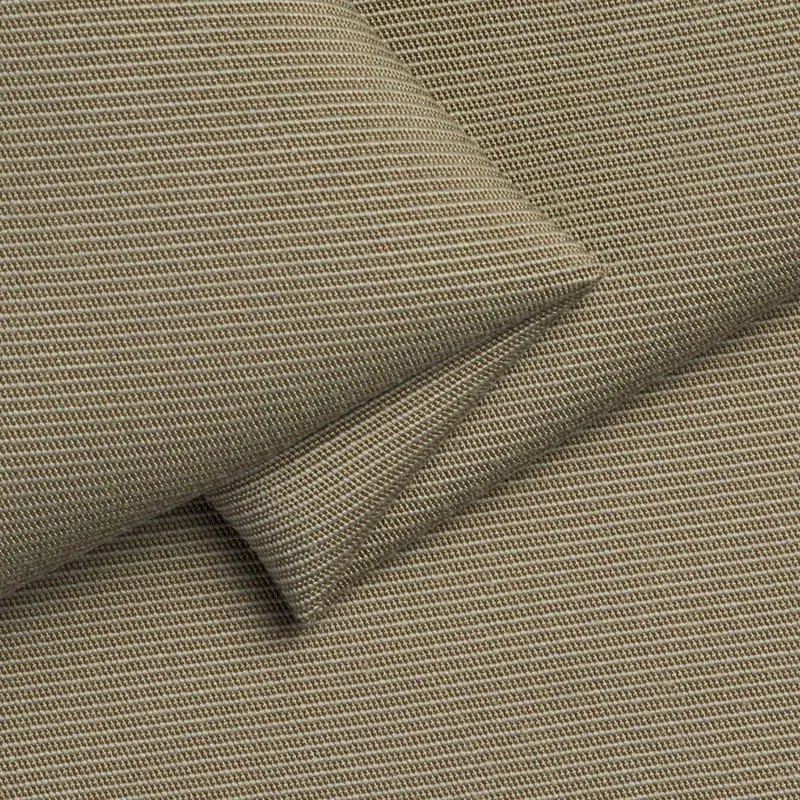

TR fabric, on the other hand, is much easier to care for. It can be machine washed in cold water with a mild detergent, and it can be tumble dried on a low setting. TR fabric also doesn't require as much ironing as silk, as it has a natural resistance to wrinkles. However, it's still a good idea to iron TR fabric on a low setting to keep it looking crisp and neat.
Cost
Cost is often a deciding factor when choosing between TR fabric suiting and silk suiting. Silk is a luxury fabric that is generally more expensive than TR fabric. The high cost of silk is due to its rarity, the labor-intensive process of harvesting and processing silk, and its reputation as a premium material. Silk suits can range from a few hundred dollars to several thousand dollars, depending on the quality and brand.
TR fabric, on the other hand, is a more affordable option. It offers a similar look and feel to silk at a fraction of the cost. TR fabric suits can be found for as little as $100, making them a great choice for those on a budget or for those who need a suit for everyday wear.
Conclusion
In conclusion, both TR fabric suiting and silk suiting have their own unique advantages and disadvantages. Silk is a luxurious and elegant fabric that offers a smooth and soft texture, breathability, and a natural sheen. However, it is delicate, expensive, and requires special care. TR fabric, on the other hand, is a more practical and affordable option. It offers a structured and crisp texture, durability, comfort, and easy care.
If you're looking for a suit for a special occasion or a formal event, silk suiting may be the better choice. It will give you a sophisticated and elegant look that is sure to turn heads. However, if you need a suit for everyday wear or for business purposes, TR fabric suiting is a great option. It offers a good balance of style, comfort, and affordability, making it a practical choice for any wardrobe.
If you're interested in purchasing TR fabric suiting, I invite you to explore our TR Fabric Suiting collection. We also offer a variety of TR Shirt Fabric and TR Shirting Fabric options to complement your suit. Contact us today to discuss your specific needs and to start a procurement negotiation.
References
- "Silk: A Luxury Fabric with a Rich History." Textile Institute, https://www.textileinstitute.org/.
- "Polyester and Rayon Blends: A Practical Choice for Suiting." Journal of Textile Science and Technology, vol. 15, no. 2, 2020, pp. 45-52.


