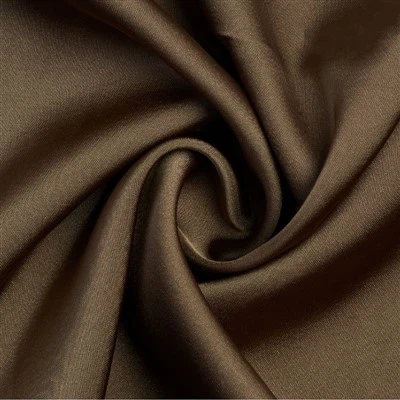
Your Professional Tencel Fabric Supplier
With over 30 years of expertise in textile manufacturing, JUNDE remains committed to it's founding principle: Putting customers first and crafting every meter of fabric with care and precision.
We specialize in high-end fashion fabrics for women, offering integrated R&D, production, sales, and service. Our comprehensive product line includes TR wool blends, TR color-spun fabrics, Tencel-rayon interwoven textiles, imported high-elastic materials, chemical fibers, specialty yarns, bamboo fiber series, and more. We proudly offer the widest selection of high fastness black fabrics on the market.
-
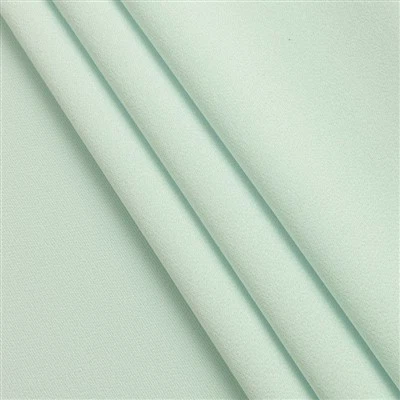
![Lenzing Tencel Fabric]() Lenzing Tencel FabricFabric Name: JD-1220. Width: 148cm. Weight: 90GSM. Composition: 16% Polyester, 84% TENCEL. Warp Shrinkage: -3%. Weft Shrinkage: -3%
Lenzing Tencel FabricFabric Name: JD-1220. Width: 148cm. Weight: 90GSM. Composition: 16% Polyester, 84% TENCEL. Warp Shrinkage: -3%. Weft Shrinkage: -3% -
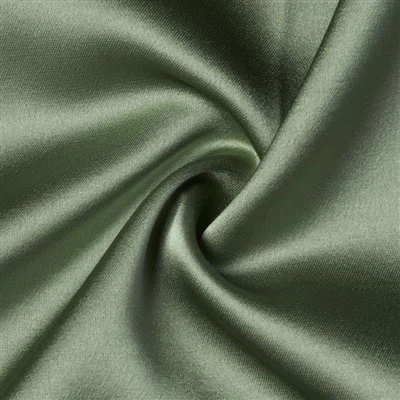
![Tencel Fabric Products]() Tencel Fabric ProductsFabric Name: JD-3051. Width: 150cm. Weight: 80GSM. Composition: 76% Lyocell 24%Nylon. Warp Shrinkage: -2%. Weft Shrinkage: -3%
Tencel Fabric ProductsFabric Name: JD-3051. Width: 150cm. Weight: 80GSM. Composition: 76% Lyocell 24%Nylon. Warp Shrinkage: -2%. Weft Shrinkage: -3% -
![Tencel Woven Fabric]() Tencel Woven FabricFabric Name: JD-3040. Width: 150cm. Weight: 70GSM. Composition: 15% Polyester, 85% TENCEL. Warp Shrinkage: -2%. Weft Shrinkage: -3%
Tencel Woven FabricFabric Name: JD-3040. Width: 150cm. Weight: 70GSM. Composition: 15% Polyester, 85% TENCEL. Warp Shrinkage: -2%. Weft Shrinkage: -3% -
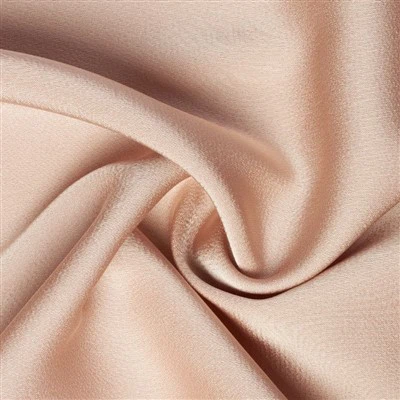
![Soft Tencel Fabric]() Soft Tencel FabricFabric Name: JD-3065. Width: 150cm. Weight: 75GSM. Composition: 12% Polyester, 88% Lyocell. Warp Shrinkage: -3%. Weft Shrinkage: -1%
Soft Tencel FabricFabric Name: JD-3065. Width: 150cm. Weight: 75GSM. Composition: 12% Polyester, 88% Lyocell. Warp Shrinkage: -3%. Weft Shrinkage: -1% -
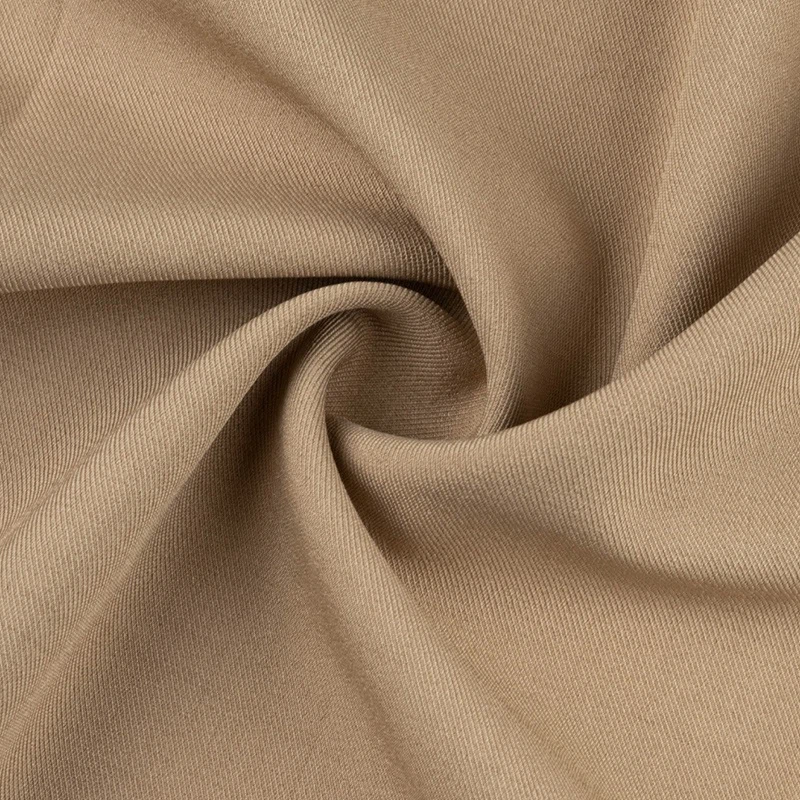
![Tencel Twill Fabric]() Tencel Twill FabricFabric Name: JD-3911. Width: 142cm. Weight: 190GSM. Composition: 64%Lyocell 30%Rayon 6%Nylon. Warp Shrinkage: -3%. Weft Shrinkage: -3%.
Tencel Twill FabricFabric Name: JD-3911. Width: 142cm. Weight: 190GSM. Composition: 64%Lyocell 30%Rayon 6%Nylon. Warp Shrinkage: -3%. Weft Shrinkage: -3%. -
![Tencel Dress Fabric]() Tencel Dress FabricFabric Name: JD-6009. Width: 148cm. Weight: 90GSM. Composition: 82%Lyocell 18%Nylon. Warp Shrinkage. Weft Shrinkage
Tencel Dress FabricFabric Name: JD-6009. Width: 148cm. Weight: 90GSM. Composition: 82%Lyocell 18%Nylon. Warp Shrinkage. Weft Shrinkage -
![Tencel Lyocell Twill]() Tencel Lyocell TwillFabric Name: JD-6022. Width: 147cm. Weight: 150GSM. Composition: 76%Lyocell 24%Nylon. Warp Shrinkage: -3%. Weft Shrinkage: -1%
Tencel Lyocell TwillFabric Name: JD-6022. Width: 147cm. Weight: 150GSM. Composition: 76%Lyocell 24%Nylon. Warp Shrinkage: -3%. Weft Shrinkage: -1% -
![Tencel Fabric Breathable]() Tencel Fabric BreathableFabric Name: JD-7022. Width: 146cm. Weight: 75GSM. Composition: 68%Lyocell 32%Nylon. Warp Shrinkage: -3%. Weft Shrinkage: -3%
Tencel Fabric BreathableFabric Name: JD-7022. Width: 146cm. Weight: 75GSM. Composition: 68%Lyocell 32%Nylon. Warp Shrinkage: -3%. Weft Shrinkage: -3% -
![Cotton Tencel Blend Fabric]() Cotton Tencel Blend FabricFabric Name: JD-7036. Width: 147cm. Weight: 195GSM. Composition: 59%Lyocell 41%Cotton. Warp Shrinkage: -2%. Weft Shrinkage: -1%
Cotton Tencel Blend FabricFabric Name: JD-7036. Width: 147cm. Weight: 195GSM. Composition: 59%Lyocell 41%Cotton. Warp Shrinkage: -2%. Weft Shrinkage: -1% -
![Tencel Dressmaking Fabric]() Tencel Dressmaking FabricFabric Name: JD-7053. Width: 147cm. Weight: 54GSM. Composition: 63%Lyocell 22%Acetate 15%poly. Warp Shrinkage: -5%. Weft Shrinkage: -4%
Tencel Dressmaking FabricFabric Name: JD-7053. Width: 147cm. Weight: 54GSM. Composition: 63%Lyocell 22%Acetate 15%poly. Warp Shrinkage: -5%. Weft Shrinkage: -4% -
![Polyester Tencel Blend Fabric]() Polyester Tencel Blend FabricFabric Name: JD-8829. Width: 151cm. Weight: 55GSM. Composition: 16% Polyester, 84% Lyocell. Warp Shrinkage: -1%. Weft Shrinkage: -2%
Polyester Tencel Blend FabricFabric Name: JD-8829. Width: 151cm. Weight: 55GSM. Composition: 16% Polyester, 84% Lyocell. Warp Shrinkage: -1%. Weft Shrinkage: -2%


Why choose us
Our Certificate
All our products have passed GRS, OEKO-TEX, Controlunion, In Check, This demonstrates that they meet international standards for quality, safety, and performance.
Quality Assurance
In terms of quality assurance, the company strictly follows the standards and norms of the industry quality system. Adopt industry-leading testing equipment to ensure product quality and good reputation.
Competitive Price
We have a professional purchasing team and costing team, trying to reduce costs and increase our profits, and provide you with a good price.
Customized services
Diverse Designs & Techniques To MeetYour Custom Needs,Tailored Solutions ForProfessional Partners
Tencel Fabric
Also referred to as lyocell, tencel fabric is made from a combination of wood pulp from sustainably grown trees and other organic ingredients. When blended with rayon or cotton, the finished product is an eco-friendly stretchy fabric with a smooth texture. In fact, a lot of people compare it to standard jersey fabric or even silk. It is usually compared to viscose but seems to have a better drape and holds up better when used in apparel projects.
|
Fabric Name |
JD-7022 |
|
Width |
146cm |
|
Weight |
75GSM |
|
Composition |
68%Lyocell 32%Nylon |
|
Warp Shrinkage |
-3% |
|
Weft Shrinkage |
-3% |
Advantages of Tencel Fabric

Performance Benefits
When deciding whether to choose Tencel for products like bedding or pajamas, factors like the fabric’s comfort, durability, temperature regulation, and ease of care may affect your decision.
Comfort
Those who prefer a soft texture to their fabrics may find Tencel to be among the most comfortable textiles. People who sleep hot or experience night sweats may particularly appreciate the temperature-regulating properties of Tencel.
Durability
Tencel products are quite durable and are less prone to pilling when compared with cotton. However, that durability is contingent on following the care instructions. Avoid the application of high heat to the material for best results and note that some Tencel lyocell products may require dry-cleaning only.
Breathability
Tencel is a naturally breathable and moisture-wicking material. These features make it a good choice for hot sleepers seeking cooling sheets or pajamas.
Ease of Care
Tencel modal is typically machine-washable, but be sure to follow the care instructions on the product’s label. Some Tencel lyocell products are dry-clean only.
Environmental Benefits
Tencel is made from sustainably sourced renewable wood products, which typically require less pesticide use and water compared with growing cotton.


Tencel Lyocell
This is the latest generation of rayon, which replaces toxic manufacturing chemicals with a nontoxic solvent. The manufacturing process recaptures 99% of the solvent to use again, making lyocell a more sustainable material. It is primarily made using sustainably grown eucalyptus wood. It is a common choice for Tencel sheet sets.
Tencel Modal
Modal is an update to ordinary rayon that gives the material better strength when wet, even when woven into lightweight fabrics. It is primarily made from beech wood. Notably, the manufacturing process uses a harsher chemical than lyocell, but the resulting fabric is more likely to be machine-washable and shrink-resistant.
Tencel Blends
Tencel threads are often blended with other materials such as cotton or polyester to help balance the characteristics of the different materials in a single fabric. Because Tencel can be somewhat expensive, blends can be used to achieve a lower overall price-point.
Tencel vs. Cotton
Consumers researching sleep products often consider both Tencel and cotton sheets or pajamas due to their similar traits. Both materials start out from natural plant fibers, although Tencel requires less water and pesticide use.
Applications of Tencel Fabric
Clothing:
Tencel is a popular choice for clothing due to its comfort, breathability, and moisture-wicking properties. It is often used in activewear, underwear, and casual wear, providing a comfortable and functional option for everyday use.
Home textiles:
Tencel is a popular choice for home textiles due to its softness, breathability, and durability. It is often used in bedding, towels, and curtains, offering a luxurious and long-lasting option for home decor.
Medical textiles:
Tencel is a popular choice for medical textiles due to its breathability, moisture-wicking properties, and durability. It is often used in surgical gowns, drapes, and wound dressings, providing a comfortable and hygienic option for medical applications.
How is Tencel Fabric made
Sourcing:
Tencel fabric is made from wood pulp sourced from sustainably managed forests. The wood is harvested and then broken down into a pulp using a chemical or mechanical process.
Spinning:
The wood pulp is then dissolved in a solvent and spun into fibers using a spinneret. The fibers are then washed and treated to remove any remaining impurities.
Weaving:
The Tencel fibers are then woven into fabric using various techniques such as knitting, weaving, or braiding. The resulting fabric is soft, breathable, and moisture-wicking.
Dyeing:
Tencel fabric can be dyed using a variety of methods, including natural dyes, synthetic dyes, or eco-friendly dyes that minimize water use and pollution.
Finishing:
The fabric is then finished with a variety of treatments to enhance its properties, such as softening agents, water-repellent finishes, or anti-bacterial treatments.
Recycling:
Tencel fabric is biodegradable and can be recycled, making it a more sustainable choice than synthetic fabrics. The closed-loop manufacturing process also reduces waste and pollution, making it an eco-friendly choice.
How is Tencel Fabric Improving
Reduced Water Usage:
Tencel fabric is produced using a closed-loop manufacturing process that recycles and reuses water, reducing water usage by up to 98% compared to traditional cotton production.
Improved Durability:
Tencel fabric is naturally durable and long-lasting, reducing the need for frequent replacement of clothing and textiles.
Reduced Carbon Footprint:
Tencel fabric is produced using renewable energy sources, reducing the carbon footprint of the manufacturing process. Additionally, Tencel is biodegradable and can be recycled, reducing waste and pollution.
Reduced Chemical Usage:
The production of Tencel fabric uses fewer chemicals compared to traditional textile production, reducing exposure to harmful chemicals, and promoting environmental sustainability.
Increased Transparency:
Tencel fabric manufacturers are increasingly transparent about their production processes, enabling consumers to make informed decisions about the sustainability and ethical impact of their clothing choices.
Improved Material Health:
Tencel fabric is evaluated for its material health, ensuring that it is free from harmful chemicals and toxins that can harm the environment and human health. This promotes a safer and healthier clothing industry for all.
Tencel can be washed or dry-cleaned. If the clothes are not very dirty, dry cleaning is recommended. Frequent washing will cause more or less damage to the cloth surface.
Generally speaking, the washing temperature should be below 30℃, even if it is sunny Silk does not shrink easily, but it will still shrink if the temperature is too high.
Because silk fabric fibers are easier to break than other fibers. Use moderate force when washing, and just wring it out gently after washing. Avoid drying in the hot sun for a long time, and do not put it in a washing machine for dehydration or drying.
If you need to iron, it is recommended to dry the clothes in eight minutes When ironing at medium or low temperature, too wet or too dry will cause damage to the silk.
In order to avoid the stiffness of the clothing, if the silk clothing is not worn for a long time Remember to pack it in a cloth bag after washing and drying.
If possible, it is best to use a special detergent for silk fabrics. , if not available, just use neutral detergent. Acid or alkaline will corrode the fabric.
Tencel is easily torn by hard objects and is generally Once damaged, it cannot be repaired, so be careful in your daily wear.
FAQ
As one of the most professional tencel fabric manufacturers and suppliers in China, we're featured by quality products and low price. Please rest assured to wholesale bulk tencel fabric in stock here from our factory. Contact us for OEM&ODM service and free sample.
tencel fabric for summer, tencel organza fabric, Polyester Tencel Blend Fabric