


How Long Does Tencel Fabric Take to Biodegrade? A Complete Guide for Sustainable Textile Buyers
An in-depth analysis of cellulose fiber decomposition, environmental conditions, blend ratios, and sustainable apparel sourcing.
Introduction: Is Tencel Fabric Really Biodegradable?
Sustainability has become one of the most important topics in the textile industry. More fashion brands, garment manufacturers, and designers are looking for fabrics that offer both high performance and a lower environmental impact.
As a professional tencel fabric supplier, we often receive questions from customers about the biodegradability of Tencel fabric:
"How long does Tencel fabric take to biodegrade?"
The answer depends on several factors, including the environment where the fabric is disposed of, fabric finishing processes, and whether Tencel is blended with other fibers.
In general, pure Tencel fabric is considered biodegradable because it is made from cellulose fiber. Under suitable composting conditions, it can break down much faster than petroleum-based synthetic fabrics such as polyester.
This article will explain how Tencel biodegrades, what affects the decomposition speed, and why Tencel has become an increasingly popular choice for sustainable clothing.
 Tencel lyocell fiber is sustainably harvested from natural wood pulp in closed-loop systems.
What Is Tencel Fabric Made From?
Tencel is a brand name for lyocell fiber, a regenerated cellulose fiber produced from sustainably sourced wood pulp, commonly eucalyptus.
Unlike traditional synthetic fibers, Tencel is derived from natural cellulose. During production, the wood pulp is dissolved and regenerated into soft, strong fibers through an advanced closed-loop manufacturing process, where most of the solvent is recovered and reused.
These properties make Tencel fabric for clothing especially popular in women's dresses, shirts, trousers, casual wear, and premium fashion collections.
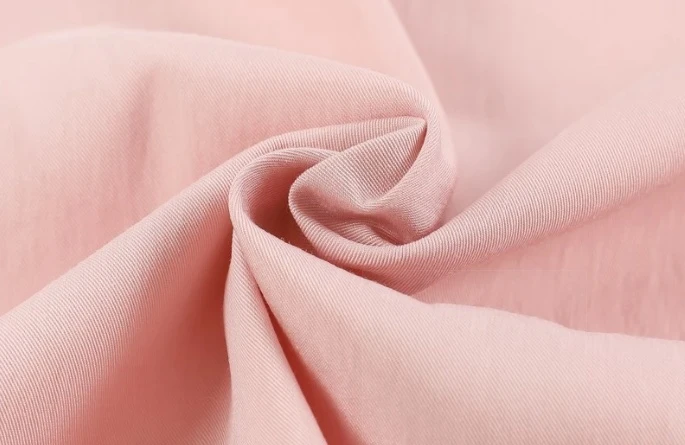
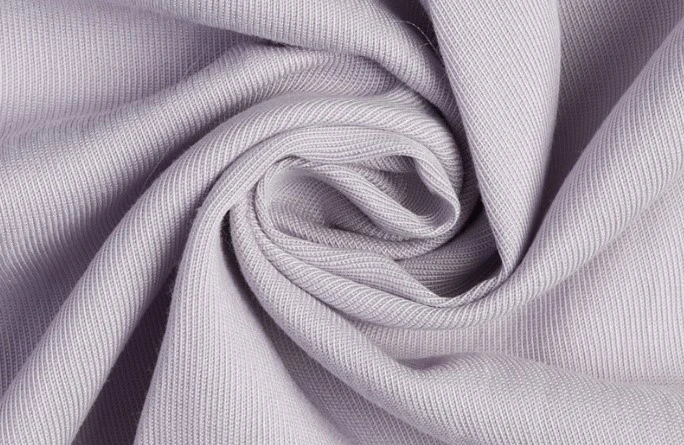
For example, fabrics such as Tencel twill fabric are widely used for structured garments because they provide durability and a smooth appearance, while Tencel dress fabric is preferred for flowing silhouettes due to its elegant drape.
Why Is Tencel Fabric Biodegradable?
Tencel is mainly composed of cellulose, a natural polymer found in plants.
During biodegradation, microorganisms such as bacteria and fungi release enzymes that break cellulose molecules into smaller components. These components are then naturally converted into:
This process is different from synthetic fibers like polyester, which may remain in the environment for hundreds of years because microorganisms cannot easily break down their chemical structure.
However, biodegradability does not mean that every Tencel garment disappears immediately after disposal. The actual breakdown speed depends greatly on environmental conditions.
How Long Does Tencel Fabric Take to Biodegrade?
There is no single fixed timeframe because different environments create different results.
1. Composting Environment
Under controlled composting conditions with:
- Enough moisture
- Suitable temperature
- Good oxygen circulation
- Active microorganisms
2. Landfill Environment
The situation changes in a landfill where there are:
- Limited oxygen
- Lower microbial activity
- Restricted moisture movement
This is why proper textile recycling and composting systems are important parts of sustainable fashion development.
What Factors Affect Tencel Biodegradation?
1. Fabric Composition
Pure Tencel generally biodegrades faster than blended fabrics. Many clothing fabrics combine Tencel with other fibers to improve durability, stretch, or price performance.
Combines natural softness with smoothness and moisture management. Maintains high biodegradability.
Used for: Casual shirts, summer dresses, lightweight jackets.Improves softness, moisture absorption, drapability, and surface smoothness over pure cotton.
Used for: Comfortable sustainable fashion.Improves strength and wrinkle resistance. However, synthetic polyester slows overall biodegradation.
Note: Higher Tencel % = Greater biodegradable ratio.2. Dyeing and Fabric Finishing
Fabric treatments can also influence biodegradability. Some finishing processes may introduce chemicals that slow microbial breakdown.
Sustainable production focuses on:3. Fabric Structure
Lightweight fabrics generally allow microorganisms easier access to fibers compared with dense constructions:
- Lightweight Tencel fabrics may break down faster.
- Heavy Tencel twill fabrics may require more time because of their tighter structure.
Why Tencel Is Popular for Sustainable Clothing
The textile industry is moving toward materials that balance environmental responsibility and garment performance. Tencel offers several advantages:
Comfortable Wearing
Smooth surface and moisture management ideal for skin-friendly apparel.
Versatile Applications
Developed into Tencel twill, Tencel denim, dress materials, and lightweight woven fabrics.
Synthetic Alternative
More natural option than polyester for brands focusing on sustainable lines.
Tencel vs Other Common Clothing Fibers
| Fabric | Biodegradability | Main Advantages |
|---|---|---|
| Tencel | High | Soft, breathable, sustainable |
| Cotton | High | Natural, comfortable |
| Linen | High | Breathable, durable |
| Polyester | Very low | Strong, wrinkle resistant |
| Nylon | Very low | High durability |
Frequently Asked Questions About Tencel Biodegradation
Q: Is Tencel 100% biodegradable?
Pure Tencel lyocell fiber is biodegradable because it is made from cellulose. However, dyes, finishes, and blended fibers may affect the overall biodegradation process.
Q: Does Tencel biodegrade faster than polyester?
Yes. Since Tencel is cellulose-based, microorganisms can break it down much more easily than synthetic polyester.
Q: Is Tencel good for clothing production?
Yes. Tencel fabric for clothing is widely used because it combines softness, comfort, moisture management, and sustainability.
Final Thoughts: Is Tencel a Sustainable Fabric Choice?
Tencel has become one of the most recognized sustainable fibers in modern textile manufacturing. While the exact biodegradation time depends on disposal conditions, pure Tencel has a clear advantage over synthetic fibers because it comes from renewable cellulose resources.
As an experienced tencel fabric supplier, we provide various Tencel-based woven fabrics, including Tencel dress fabrics, Tencel twill fabrics, and blended options such as cotton Tencel blend fabric.


