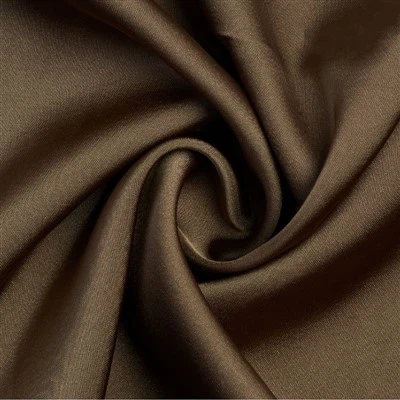

Hey there! As a satin fabric supplier, I've seen firsthand how amazing satin can be. It's got that luxurious sheen, a smooth texture, and it just drapes so beautifully. But let's face it, taking care of satin fabric can be a bit tricky. That's why I'm here to share some tips on how to keep your satin looking its best.
Understanding Satin Fabric
First things first, let's talk a bit about what satin is. Satin is a type of weave, not a specific fiber. It can be made from silk, polyester, rayon, or a blend of these materials. Each type of satin has its own unique characteristics, but they all share that signature shiny surface and smooth feel.
The Double Satin Fabric we offer, for example, is known for its extra layer of smoothness and a more intense sheen. It's great for making elegant evening gowns or high - end home decor items. On the other hand, our Washable Satin Fabric is a polyester - based satin that's much easier to clean and maintain, making it perfect for everyday use. And if you're planning a wedding, our Satin Fabric for Wedding Dress is a top choice, with its beautiful drape and classic look.
Pre - Wash Care
Before you even think about washing your satin fabric, there are a few things you should do. First, check the care label. This will give you the manufacturer's recommendations on how to clean the fabric. If there's no label, it's a good idea to do a spot test in an inconspicuous area. Dampen a small corner of the fabric with a little bit of water and a mild detergent. Gently blot the area with a clean white cloth. If there's no color bleeding or damage to the fabric, you're good to go.
Also, make sure to remove any stains as soon as possible. The longer a stain sits on satin, the harder it will be to remove. For fresh stains, gently blot the area with a clean cloth to absorb as much of the stain as you can. Avoid rubbing, as this can spread the stain and damage the fabric.
Washing Satin
When it comes to washing satin, there are a few different methods you can choose from, depending on the type of satin and the level of soiling.
Hand - Washing: This is the gentlest way to wash satin. Fill a sink or a basin with lukewarm water and add a small amount of mild, pH - neutral detergent. Swirl the water around to create suds. Gently submerge the satin fabric in the water and use your hands to gently agitate the fabric. Avoid wringing or twisting the fabric, as this can cause it to stretch or lose its shape. After a few minutes, drain the soapy water and refill the sink with clean, lukewarm water. Rinse the fabric thoroughly until all the detergent is removed.
Machine - Washing: If your satin fabric is labeled as machine - washable, you can use the delicate cycle on your washing machine. Use a mild detergent and set the water temperature to cold or lukewarm. Place the satin in a mesh laundry bag to protect it from getting caught on other items in the machine. Avoid using fabric softeners, as they can leave a residue on the satin and dull its sheen.
Drying Satin
Drying satin properly is just as important as washing it.
Air - Drying: This is the best way to dry satin. Lay the fabric flat on a clean, dry towel. Smooth out any wrinkles gently. You can also hang the satin on a padded hanger in a well - ventilated area away from direct sunlight. Sunlight can fade the color of the satin over time. Make sure the satin is completely dry before storing it.
Tumble - Drying: If you must use a dryer, use the lowest heat setting. Remove the satin from the dryer as soon as the cycle is finished to prevent wrinkles from setting in. You can also add a clean, dry towel to the dryer to help absorb moisture and reduce drying time.
Ironing Satin
Satin can get wrinkled easily, but ironing it requires some care.


First, check the care label to see if ironing is recommended. If it is, set your iron to the lowest heat setting. You can also place a thin, clean cloth between the iron and the satin to prevent direct contact. Iron the satin on the wrong side to avoid damaging the shiny surface. Move the iron gently over the fabric, using light pressure. If there are stubborn wrinkles, you can use a steam iron, but be careful not to let the steam sit on the fabric for too long.
Storing Satin
Proper storage is key to keeping your satin fabric in good condition.
Fold the satin neatly and store it in a cool, dry place. Avoid storing it in plastic bags, as they can trap moisture and cause mildew. You can use a cotton or linen storage bag instead. If you're hanging satin garments, use padded hangers to prevent stretching. And make sure to check on your satin periodically to ensure it's still in good shape.
Conclusion
Taking care of satin fabric may seem like a lot of work, but it's definitely worth it when you see how beautiful and long - lasting your satin items can be. Whether you're using our Double Satin Fabric for a special occasion, our Washable Satin Fabric for everyday use, or our Satin Fabric for Wedding Dress for a once - in - a - lifetime event, following these care tips will help you get the most out of your satin.
If you're interested in purchasing high - quality satin fabric for your next project, don't hesitate to reach out. We're here to help you find the perfect satin for your needs and answer any questions you may have. Let's start a conversation and see how we can work together!
References
- Textile Institute. Handbook of Textile Fibre Structure. Woodhead Publishing, 2009.
- Vicky Barron. The Complete Book of Fabric Care. Lorenz Books, 2006.