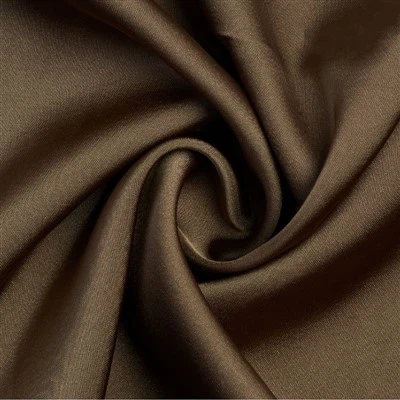

Achieving a metallic sheen on bamboo fabric is a captivating process that combines artistry with scientific precision. As a supplier of Dyeing Bamboo Fabric, I've had the privilege of exploring various techniques to transform bamboo fabric into a shimmering masterpiece. In this blog, I'll share insights into the process, from understanding the unique properties of bamboo fabric to selecting the right dyes and applying the appropriate methods.
Understanding Bamboo Fabric
Bamboo fabric is renowned for its softness, breathability, and eco - friendliness. It is made from the pulp of bamboo plants, which is then spun into fibers. There are different types of bamboo fabric, such as Bamboo Microfiber Fabric and Bamboo Yarn Fabric. Microfiber bamboo fabric is extremely fine and smooth, offering a luxurious feel, while bamboo yarn fabric has a more textured appearance.
The natural structure of bamboo fabric consists of hollow fibers, which give it excellent moisture - wicking properties. These fibers also provide a porous surface, which is beneficial for dye absorption. However, this same porosity can sometimes pose challenges when trying to achieve a uniform and long - lasting metallic sheen.
Selecting the Right Dyes
When aiming for a metallic sheen on bamboo fabric, choosing the appropriate dyes is crucial. Metallic dyes are specifically formulated to create a shiny, reflective effect. These dyes typically contain metallic pigments, such as aluminum, copper, or bronze particles, which give the fabric its characteristic luster.
There are two main types of metallic dyes: direct dyes and reactive dyes. Direct dyes are relatively easy to use and can be applied directly to the fabric without the need for a mordant. They are suitable for achieving a quick and relatively inexpensive metallic effect. However, direct dyes may not have the same level of colorfastness as reactive dyes.
Reactive dyes, on the other hand, form a chemical bond with the fabric fibers. This results in a more permanent and color - fast metallic sheen. Reactive dyes are more complex to use and require specific pH levels and temperature conditions during the dyeing process. They are ideal for applications where long - lasting color and durability are essential, such as in high - end fashion items or home decor.
Pre - treatment of Bamboo Fabric
Before dyeing, it is important to pre - treat the bamboo fabric to ensure optimal dye absorption and a uniform metallic sheen. The first step is to wash the fabric thoroughly to remove any dirt, oils, or sizing agents that may be present on the surface. This can be done using a mild detergent and warm water.
After washing, the fabric may need to be mordanted. A mordant is a substance that helps the dye adhere to the fabric fibers more effectively. For metallic dyes on bamboo fabric, alum or iron mordants are commonly used. To mordant the fabric, dissolve the mordant in water according to the manufacturer's instructions and soak the fabric in the mordant solution for a specified period, usually around 30 minutes to an hour.
The Dyeing Process
Direct Dyeing Method
If you are using direct metallic dyes, the process is relatively straightforward. First, dissolve the dye in hot water according to the dye manufacturer's instructions. The amount of dye used will depend on the desired intensity of the metallic sheen.
Next, immerse the pre - treated bamboo fabric in the dye bath. Stir the fabric gently to ensure even dye distribution. Keep the fabric in the dye bath for about 20 - 30 minutes, or until the desired color and sheen are achieved. You can adjust the temperature of the dye bath to control the rate of dye absorption. Higher temperatures generally result in faster dyeing, but be careful not to overheat the fabric, as this can damage the bamboo fibers.
After dyeing, remove the fabric from the dye bath and rinse it thoroughly in cold water to remove any excess dye. Then, wash the fabric with a mild detergent to further remove any loose dye particles.
Reactive Dyeing Method
Reactive dyeing is a more complex process. Start by preparing the dye bath. Dissolve the reactive metallic dye in a solution of soda ash and water. The soda ash helps to create the correct pH environment for the dye to react with the fabric fibers.
Immerse the pre - treated and mordanted bamboo fabric in the dye bath. The fabric should be fully submerged, and the bath should be stirred continuously to ensure uniform dyeing. The temperature of the dye bath for reactive dyes is usually around 40 - 60 degrees Celsius, depending on the specific dye used.
Let the fabric soak in the dye bath for about 45 minutes to an hour. During this time, the reactive dye will form a chemical bond with the fabric fibers. After the soaking period, remove the fabric from the dye bath and rinse it in cold water. Then, wash the fabric in a solution of acetic acid to neutralize the soda ash and fix the dye. Finally, rinse the fabric again in cold water and wash it with a mild detergent.
Post - treatment and Finishing
After dyeing, post - treatment is essential to enhance the metallic sheen and improve the fabric's durability. One common post - treatment method is to apply a fabric softener. A fabric softener can make the fabric feel smoother and more luxurious, while also enhancing the reflective properties of the metallic dye.
Another option is to use a heat - setting process. Heat - setting can help to further bond the dye to the fabric fibers and improve colorfastness. This can be done using a household iron on a low - heat setting or in a professional heat - setting machine.
Achieving Different Metallic Effects
There are several ways to create different metallic effects on bamboo fabric. For a subtle metallic sheen, you can use a small amount of metallic dye or mix it with a non - metallic base color. This will create a more understated, iridescent effect.
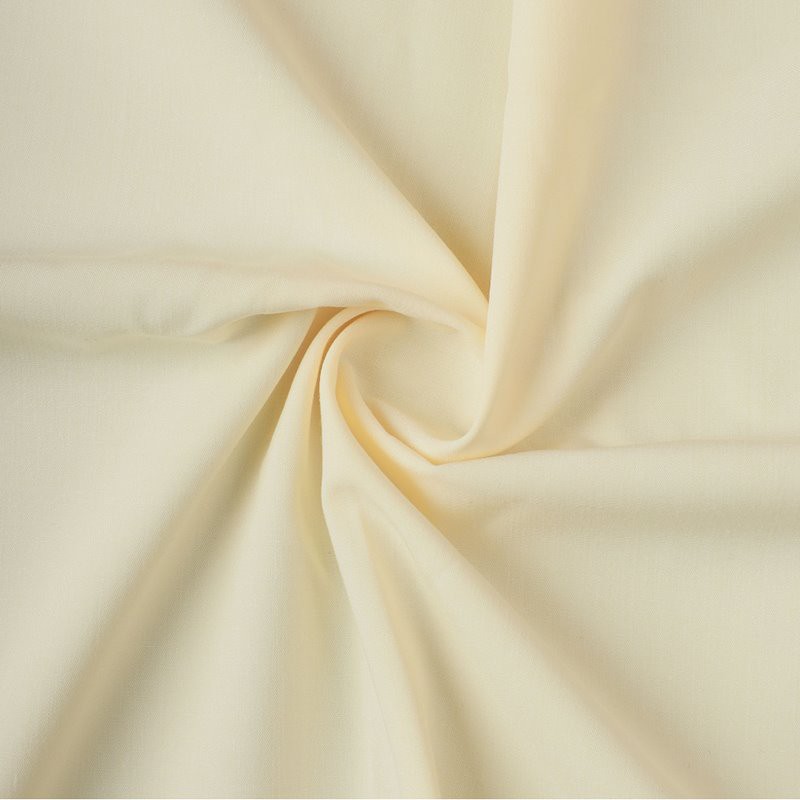
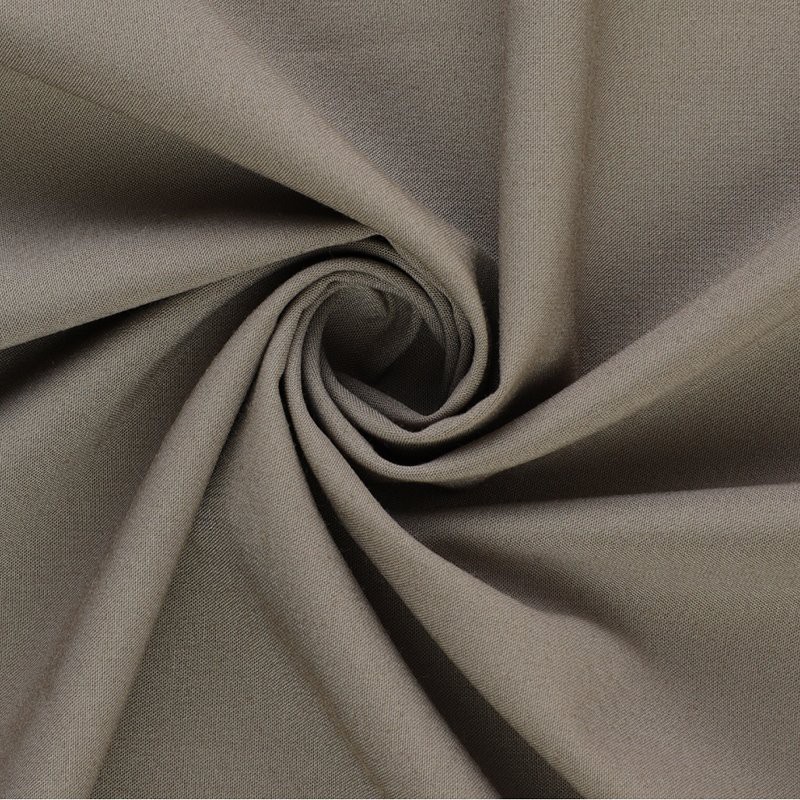
To achieve a bold and intense metallic sheen, use a higher concentration of metallic dye and multiple dyeing passes. You can also experiment with different metallic pigments to create unique color combinations, such as a copper - bronze blend or a silver - gold gradient.
Troubleshooting
During the dyeing process, you may encounter some common problems. Uneven dyeing can occur if the fabric is not stirred properly during the dye bath or if there are areas of the fabric that are not fully submerged. To fix this, you can try re - dyeing the fabric or gently rubbing the uneven areas with a soft brush to help distribute the dye.
If the metallic sheen fades quickly, it may be due to the use of low - quality dyes or improper post - treatment. Consider using higher - quality reactive dyes and following the recommended post - treatment steps more carefully.
Conclusion
Dyeing bamboo fabric to achieve a metallic sheen is a rewarding process that requires a combination of knowledge, skill, and experimentation. By understanding the properties of bamboo fabric, selecting the right dyes, pre - treating the fabric, and following the appropriate dyeing and post - treatment procedures, you can create stunning bamboo fabrics with a beautiful metallic luster.
As a supplier of Dyeing Bamboo Fabric, I am committed to providing high - quality bamboo fabrics and technical support to help you achieve the best results. Whether you are a fashion designer, a home decorator, or a DIY enthusiast, I invite you to explore the possibilities of metallic - dyed bamboo fabric. If you are interested in purchasing our products or have any questions about the dyeing process, please feel free to contact us for a procurement discussion. We look forward to working with you to bring your creative ideas to life.
References
- "Textile Dyeing and Finishing" by Ashok Kumar
- Dye manufacturers' technical manuals for metallic dyes
- "The Handbook of Natural Fibers: Volume 2: Industrial and Healthcare Applications" by Rajesh Kumar