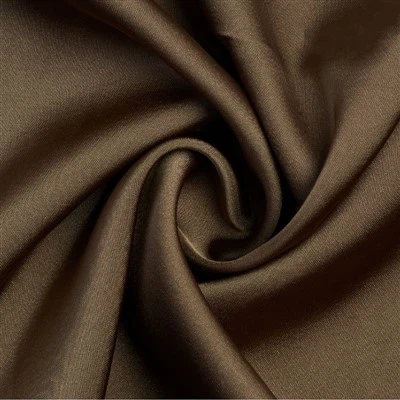

Hey there! As a supplier of Soft Linen Fabric, I've been getting a lot of questions lately about whether soft linen fabric is suitable for athletic wear. Well, let's dive right into it and explore this topic together.
First off, let's talk about what makes soft linen fabric so special. Linen is made from the fibers of the flax plant, and it's known for its natural breathability. When you're sweating during a workout, breathability is key. You don't want to feel like you're wrapped in a plastic bag, right? Soft linen fabric has these tiny little pores that allow air to circulate freely, which helps keep you cool and dry. It's like having a built - in air - conditioning system for your body.
Another great thing about soft linen is its moisture - wicking ability. When you exercise, you're bound to sweat. And if your clothes can't handle that sweat, you'll end up feeling sticky and uncomfortable. But linen is a champ at absorbing moisture. It can absorb up to 20% of its weight in water without feeling wet to the touch. That means your skin stays dry, and you can focus on your workout instead of being distracted by soggy clothes.
Now, let's consider durability. When you're doing sports, your clothes go through a lot of stress. You're stretching, bending, and moving around like crazy. Soft linen fabric is surprisingly strong. The fibers in linen are long and tough, which means they can withstand a fair amount of wear and tear. Of course, it's not indestructible, but with proper care, your linen athletic wear can last you a long time.
But it's not all sunshine and rainbows. There are a few downsides to using soft linen for athletic wear. One of the main issues is wrinkling. Linen has a tendency to wrinkle easily. After a strenuous workout, your linen clothes might look like they've been through a tornado. However, some people actually like the wrinkled look, seeing it as a sign of a well - lived - in fabric. And if you're really bothered by the wrinkles, you can always iron your clothes before or after your workout.
Another thing to consider is elasticity. Compared to some synthetic fabrics commonly used in athletic wear, linen doesn't have a whole lot of stretch. This can be a problem if you're doing activities that require a lot of flexibility, like yoga or gymnastics. But if you're doing something like running or cycling, where you don't need extreme stretch, this might not be a big deal.
Let's also talk about the feel of soft linen on the skin. It has a natural, slightly rough texture. Some people love this because it gives a sense of authenticity and a connection to nature. But others might find it a bit scratchy, especially if they have sensitive skin. If you fall into the latter category, you might want to look for Fine Linen Fabric, which has a smoother texture.
Now, let's look at different types of athletic activities and how soft linen fabric might fare in each.
For running, soft linen can be a great choice. The breathability and moisture - wicking properties mean you'll stay cool and dry even during a long run. And since running doesn't require a huge amount of stretch, the lack of elasticity in linen isn't a major drawback. You can wear a linen t - shirt or shorts and feel comfortable throughout your run.
Cycling is another activity where linen can shine. When you're on a bike, you're exposed to the elements, and the breathability of linen helps keep you from overheating. Plus, the durability of linen means it can handle the friction from the bike seat and the movement of your legs.
If you're into team sports like basketball or soccer, soft linen might be a bit more challenging. These sports involve a lot of quick movements, jumps, and changes in direction, which require a high degree of flexibility. The limited stretch of linen could potentially restrict your movement. However, you could still use linen for outer layers or for post - game wear.
Yoga and Pilates are activities that demand a lot of stretch and flexibility. As I mentioned earlier, linen's lack of elasticity makes it less than ideal for these types of workouts. But if you're okay with a looser fit and don't mind a bit of restriction, you could give it a try.
Now, let's talk about the environmental aspect. Linen is a very eco - friendly fabric. The flax plant used to make linen requires less water and pesticides compared to other crops used for fabric production. So, if you're an environmentally conscious athlete, choosing soft linen athletic wear is a great way to reduce your carbon footprint.
In terms of style, soft linen has a laid - back, natural look that many people find appealing. It gives a different vibe compared to the high - tech, synthetic athletic wear you usually see in stores. You can stand out from the crowd while still being comfortable and functional.
If you're thinking about using soft linen for athletic wear, here are some tips on care. Wash your linen clothes in cold water to prevent shrinking and excessive wrinkling. Use a mild detergent, and avoid using fabric softeners as they can reduce the absorbency of the fabric. Hang your clothes to dry instead of using a dryer, as the heat from the dryer can damage the fibers.
So, is soft linen fabric suitable for athletic wear? Well, it depends on your personal preferences and the type of athletic activities you do. If you value breathability, moisture - wicking, and eco - friendliness, and you're okay with a bit of wrinkling and limited stretch, then soft linen could be a great choice for you.
As a supplier of Soft Linen Fabric, I'm always here to help you find the right fabric for your needs. Whether you're a small business looking to create your own line of athletic wear or an individual who wants to make a custom piece, we've got you covered. We also offer Lightweight Linen Fabric which might be even more suitable for some athletic applications.


If you're interested in purchasing our soft linen fabric for athletic wear or have any questions, feel free to reach out. We're happy to discuss your requirements and help you make the best decision.
References:
- Textile Institute. "Properties of Linen Fibre."
- Journal of Sustainable Fashion. "Environmental Impact of Linen Production."
- Sports Medicine Journal. "The Importance of Breathable Fabrics in Athletic Wear."