


Hey there! As a supplier of TR Twill Fabric, I often get asked about what kind of thread is suitable for sewing this fabric. Well, you've come to the right place. In this blog, I'll break down the key factors to consider and recommend some great thread options for your TR Twill Fabric projects.
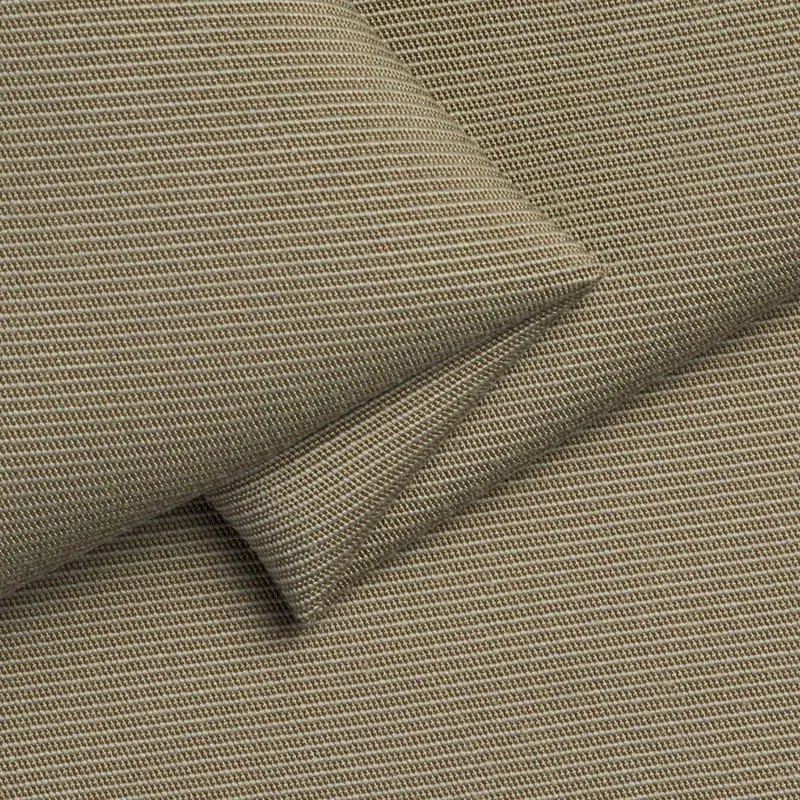
First off, let's talk a bit about TR Twill Fabric. TR Twill Fabric, which you can learn more about TR Twill Fabric, is a blend of polyester and rayon. It's known for its durability, smooth texture, and classic twill weave pattern. This fabric is commonly used in a variety of applications, from making suits (TR Fabric Suiting) to shirts (TR Shirting Fabric).
Now, when it comes to choosing the right thread for sewing TR Twill Fabric, there are a few important things to keep in mind.
1. Thread Material
- Polyester Thread: This is my top pick for sewing TR Twill Fabric. Polyester thread is strong, durable, and resistant to stretching and shrinking. It has excellent colorfastness, which means it won't fade or bleed over time. Since TR Twill Fabric also contains polyester, using a polyester thread ensures good compatibility in terms of shrinkage and stretch characteristics. This helps to prevent puckering or distortion of the fabric after sewing.
- Cotton - Polyester Blend Thread: Another great option is a cotton - polyester blend thread. It combines the strength of polyester with the softness of cotton. The cotton component gives the thread a more natural feel, while the polyester provides durability. This type of thread is suitable for both machine and hand sewing, and it works well with TR Twill Fabric in a variety of sewing projects.
2. Thread Weight
- Medium - Weight Thread: For most TR Twill Fabric projects, a medium - weight thread is ideal. A thread with a weight of around 40 - 50 is commonly used. This weight is thick enough to provide strength but not so thick that it overwhelms the fabric. It allows for smooth stitching and doesn't leave overly bulky seams. If you're making a suit or a shirt, a medium - weight thread will give you professional - looking results.
- Light - Weight Thread: If you're working on a more delicate or lightweight TR Twill Fabric, such as a shirting fabric, a light - weight thread (around 60 - 80 weight) might be a better choice. It will create finer seams and is less likely to show through the fabric.
3. Thread Color
- Matching the Fabric: It's usually a good idea to choose a thread color that closely matches your TR Twill Fabric. This gives a clean and professional look to your finished project. If you're using a solid - colored fabric, finding an exact match is relatively easy. However, if your fabric has a pattern or a multi - colored design, you can choose a thread color that blends in with the dominant color or a neutral color that complements the overall look.
- Contrasting Color: On the other hand, you can also use a contrasting thread color for a more decorative effect. This works well for accent stitching or when you want to add a pop of color to your project. Just make sure the contrast isn't too harsh and that it still looks visually appealing.
4. Sewing Machine Compatibility
- Needle Size: Along with choosing the right thread, you also need to make sure your sewing machine needle is compatible. For medium - weight TR Twill Fabric and medium - weight thread, a size 12 - 14 needle is usually appropriate. If you're using a light - weight thread and fabric, a size 10 - 12 needle will work better. Using the correct needle size helps to prevent skipped stitches and ensures smooth sewing.
- Thread Tension: Adjusting the thread tension on your sewing machine is crucial. TR Twill Fabric can be a bit denser than some other fabrics, so you may need to slightly increase the tension to get even stitches. Test your sewing on a scrap piece of fabric first and make any necessary adjustments.
Let's take a look at some specific scenarios where different thread choices might be more suitable.
Making a Suit
If you're making a suit out of TR Twill Fabric, I'd highly recommend using a high - quality polyester thread in a medium weight. A matching color is essential for a professional look. You'll be doing a lot of straight stitching and constructing seams that need to be strong and durable. A polyester thread will hold up well to the wear and tear that a suit endures.
Sewing a Shirt
For a shirt made from TR Twill Fabric, a cotton - polyester blend thread in a medium or light weight can be a great choice. You can use a matching thread color for the main seams and a contrasting color for decorative topstitching. This gives your shirt a stylish and unique look.

Creating Home Decor Items
If you're using TR Twill Fabric for home decor items like curtains or pillow covers, you have more flexibility in terms of thread color. You can choose a thread that coordinates with your overall decor scheme. Polyester thread is still a good option for its durability, especially if the items will be frequently used or washed.
In conclusion, choosing the right thread for sewing TR Twill Fabric depends on several factors, including the thread material, weight, color, and sewing machine compatibility. By considering these factors and making the appropriate choices, you can ensure that your sewing projects turn out beautifully and last a long time.
If you're interested in purchasing TR Twill Fabric or have any questions about sewing it, feel free to reach out. I'm here to help you with all your fabric and sewing needs. Whether you're a professional tailor or a DIY enthusiast, I'm confident that our high - quality TR Twill Fabric will meet your expectations. Let's start a conversation and see how we can work together on your next project!
References
- "The Complete Guide to Sewing Threads" by Sewing World Magazine
- "Fabric and Thread Compatibility" - A research paper from the Textile Institute


