


As a supplier of bamboo fiber fabric, I've been frequently asked about how this unique material performs in cold weather. Bamboo fiber fabric has gained significant popularity in recent years due to its numerous eco - friendly and health - beneficial properties. However, its performance in cold climates is a topic that deserves in - depth exploration.
Understanding Bamboo Fiber Fabric
Before delving into its cold - weather performance, it's essential to understand what bamboo fiber fabric is. There are different types of bamboo fiber fabrics, such as Rayon Bamboo Fabric, Bamboo Yarn Fabric, and Bamboo Microfiber Fabric.
Rayon bamboo fabric is made by chemically processing bamboo pulp. This type of fabric is known for its softness and smoothness, similar to silk. Bamboo yarn fabric, on the other hand, is created by spinning bamboo fibers into yarn, which retains more of the natural characteristics of bamboo. Bamboo microfiber fabric is made up of extremely fine fibers, offering high breathability and a luxurious feel.
Insulation Properties
One of the primary concerns in cold weather is insulation. Bamboo fiber fabric has some inherent insulation capabilities. The structure of bamboo fibers allows them to trap air pockets. Air is a poor conductor of heat, and these trapped air pockets act as a barrier against the cold.
Compared to some synthetic fabrics, bamboo fiber fabric can provide a moderate level of warmth. For example, in mild to moderately cold weather, a well - made bamboo fiber sweater or a bamboo - lined jacket can keep you comfortably warm. The natural hollow structure of bamboo fibers enhances this insulation effect. The hollows in the fibers can hold warm air close to the body, reducing heat loss.
However, it's important to note that bamboo fiber fabric is not as insulating as some heavy - duty wool or down materials. In extremely cold conditions, such as in the Arctic or during a severe winter storm, bamboo fiber fabric alone may not be sufficient to keep you warm. It is more suitable for cold but not freezing temperatures.
Moisture Management
Moisture management is another crucial aspect in cold weather. When you're active in the cold, you still sweat, and if your clothing can't wick away the moisture, you'll feel cold and uncomfortable. Bamboo fiber fabric excels in this area.

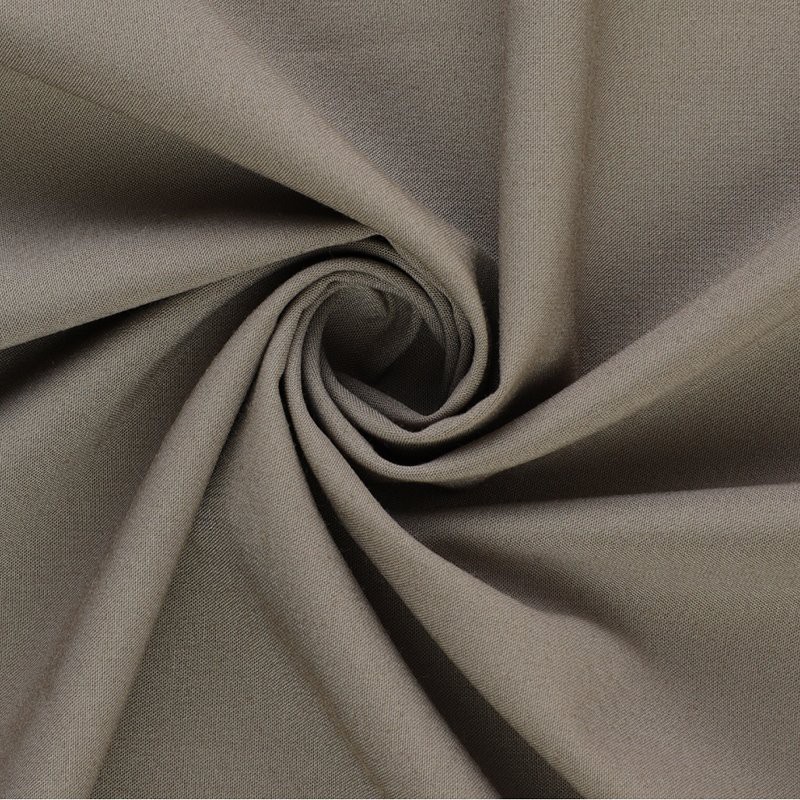
Bamboo fibers have excellent moisture - wicking properties. They can absorb and evaporate moisture quickly, keeping your skin dry. In cold weather, this is essential because wet skin loses heat much faster than dry skin. When you wear bamboo fiber fabric, it draws sweat away from your body and releases it into the air.
For instance, if you're skiing or hiking in cold weather, a base layer made of bamboo fiber fabric can help regulate your body temperature by keeping you dry. This not only makes you more comfortable but also reduces the risk of hypothermia.
Breathability
Breathability is closely related to moisture management. Bamboo fiber fabric is highly breathable. The porous nature of bamboo fibers allows air to circulate freely through the fabric.
In cold weather, this breathability is beneficial in two ways. First, it helps prevent the build - up of excess heat and moisture inside your clothing. When you're active, your body generates heat, and if the fabric doesn't allow air to flow, you'll feel sticky and uncomfortable. Second, it allows fresh air to reach your skin, which can enhance your overall comfort.
A breathable fabric like bamboo fiber also reduces the risk of condensation forming inside your clothing. Condensation can make you feel cold and damp, and bamboo fiber fabric's breathability helps minimize this problem.
Softness and Comfort
In cold weather, you also want to be comfortable. Bamboo fiber fabric is incredibly soft and gentle on the skin. It doesn't cause irritation or itching, which is especially important when you're wearing multiple layers of clothing.
The smooth texture of bamboo fiber fabric allows it to glide over your skin easily. Whether you're wearing a bamboo fiber undershirt or a bamboo - lined pair of pants, you'll experience a high level of comfort. This softness also makes it suitable for people with sensitive skin.
Durability
Durability is a factor to consider when choosing clothing for cold weather. Bamboo fiber fabric is relatively durable. Although it may not be as tough as some synthetic materials, it can withstand regular wear and tear.
The fibers in bamboo fabric are strong enough to resist pilling and tearing. However, it's important to follow the proper care instructions to maintain its durability. For example, avoid using harsh detergents or high - heat drying, as these can damage the fibers.
Layering with Bamboo Fiber Fabric
To make the most of bamboo fiber fabric in cold weather, layering is a great strategy. You can use bamboo fiber fabric as a base layer. A bamboo fiber base layer will wick away moisture from your skin, keep you dry, and provide a certain level of warmth.
On top of the base layer, you can add a mid - layer, such as a fleece or a wool sweater, for additional insulation. Finally, a waterproof and windproof outer layer can protect you from the elements. This layering system allows you to adjust your warmth according to the temperature and your activity level.
Applications in Cold - Weather Clothing
Bamboo fiber fabric has a wide range of applications in cold - weather clothing. In addition to base layers, it can be used to make scarves, hats, and gloves. A bamboo fiber scarf can provide a soft and warm wrap around your neck, while bamboo - lined gloves can keep your hands dry and comfortable.
Some companies are also using bamboo fiber fabric to make winter bedding. Bamboo fiber sheets and blankets can offer a cozy and comfortable sleep environment in cold nights. The moisture - wicking and breathable properties of bamboo fiber fabric ensure that you don't feel too hot or too cold while you sleep.
Conclusion
In conclusion, bamboo fiber fabric performs reasonably well in cold weather. It offers moderate insulation, excellent moisture management, high breathability, and a high level of comfort. While it may not be the best choice for extremely cold conditions on its own, it is a great option for mild to moderately cold weather.
If you're looking for a sustainable, comfortable, and functional fabric for cold - weather clothing, bamboo fiber fabric is definitely worth considering. Whether you're an outdoor enthusiast or just looking for everyday cold - weather wear, bamboo fiber fabric can meet your needs.
As a supplier of bamboo fiber fabric, I'm confident in the quality and performance of our products. If you're interested in purchasing bamboo fiber fabric for your clothing line, home textiles, or other applications, I encourage you to contact me for more information and to discuss your specific requirements. Let's work together to bring the benefits of bamboo fiber fabric to your customers.
References
- "Textile Science and Technology: Bamboo Fibers" by various authors
- "The Handbook of Natural Fibers: Volume 2 - Industrial and Medical Applications"


