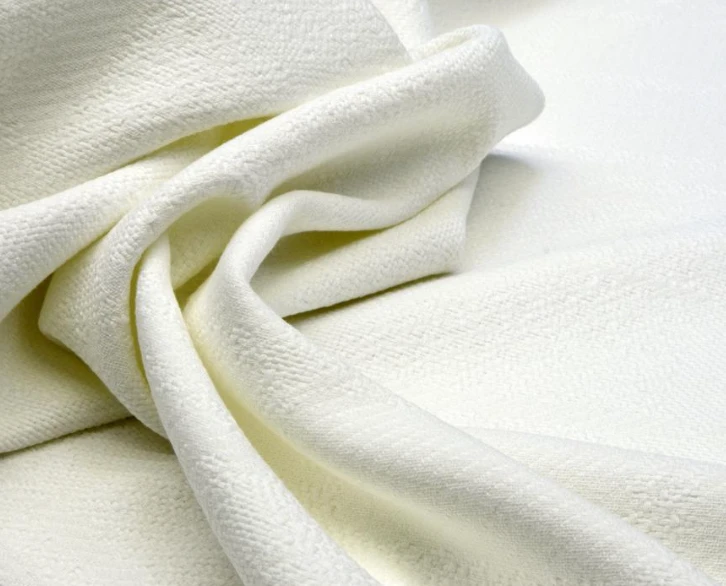


1. Understanding the Antibacterial Properties of Bamboo Microfiber Fabric
Bamboo-based textiles are commonly made using two different approaches: mechanical processing of bamboo fibers and chemical processing of bamboo pulp into regenerated cellulose fibers, such as bamboo viscose.
These materials should not be treated as identical. Their fiber structures, production methods, and functional characteristics can vary considerably.
Bamboo is often associated with a naturally occurring antimicrobial substance known as bamboo kun. However, its presence in the original plant does not necessarily mean that every finished bamboo textile retains the same antibacterial performance.
For bamboo viscose and other regenerated bamboo fibers, the manufacturing process changes the original plant structure. Therefore, antibacterial performance should be evaluated through testing rather than assumed from the raw material's botanical origin.
Bamboo microfiber fabric is also valued for its fine fiber structure and soft surface. Depending on its composition and construction, it can offer:
- A smooth and soft touch suitable for skin-contact applications.
- Good moisture absorption and moisture management.
- Lightweight construction and comfortable drape.
- Versatility for apparel and home textile applications.
- Potential for functional finishing, including antimicrobial treatments.

2. How Does the Dyeing Process Affect Bamboo Microfiber Fabric?
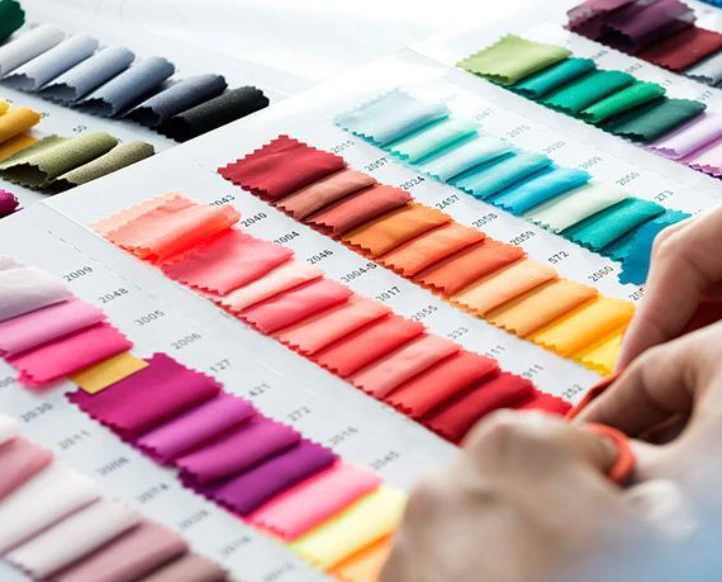
Dyeing involves more than simply adding color. Temperature, pH, chemicals, processing time, and washing conditions can all influence the final fabric properties.
For bamboo microfiber fabric, these factors deserve particular attention.
Dyeing Temperature
Temperature affects dye penetration, fixation, and color development. Different dye systems require different temperature conditions, depending on the fiber composition and the desired color fastness.
Excessive heat or unsuitable processing conditions may affect certain functional additives or antimicrobial finishes.
However, there is no universal temperature that guarantees the preservation of antibacterial performance. A suitable dyeing temperature should be determined through trials based on the actual fiber composition and dyeing system.
Dye Selection and pH Control
Reactive dyes are commonly used for cellulose-based fabrics because they can form chemical bonds with cellulose fibers.
During reactive dyeing, alkali is introduced to support dye fixation. If the pH is not properly controlled, the process may affect certain functional additives and finishing agents.
For bamboo microfiber fabric, manufacturers need to consider:
- Compatibility between the dye and fiber composition.
- Appropriate dyeing pH and temperature.
- Dye fixation and color consistency.
- Removal of unfixed dyes and processing residues.
- The effect of dyeing chemicals on subsequent functional finishing.
Proper dye selection and process control help achieve the required color performance while maintaining the intended fabric properties.
Washing and Rinsing After Dyeing
After dye fixation, washing and rinsing remove unfixed dyes, residual chemicals, and other processing substances.
Insufficient washing may affect fabric cleanliness, handle, and color fastness. On the other hand, unsuitable washing conditions may also affect certain functional treatments.
A controlled washing process is therefore an important part of producing consistent dyed bamboo microfiber fabric.
3. Can Dyeing Preserve or Improve Antibacterial Performance?
Yes, it is possible to produce dyed bamboo microfiber fabric with antibacterial functionality, but the result depends on the material and processing method.
There are two main considerations.
Preserving existing antibacterial performance
If the raw material or fabric already has verified antimicrobial properties, the dyeing process should be evaluated to determine whether those properties remain after processing.
This involves comparing test results before and after dyeing under consistent testing conditions.
Adding antibacterial functionality through finishing
Another approach is to apply an antimicrobial treatment during or after dyeing.
Depending on the intended application, manufacturers may evaluate different functional finishing agents designed for textile use.
These treatments need to be compatible with the fabric composition, dyeing process, and final product requirements.
It is also important to consider whether the treatment can withstand repeated washing. A fabric that performs well in its initial test may show different results after multiple wash cycles.
4. Why Is Wash Durability Important for Antibacterial Bamboo Fabric?
Initial antibacterial performance is only part of the product evaluation.
For finished garments and home textiles, the functional properties need to remain effective during regular use and laundering.
Several factors can influence wash durability:
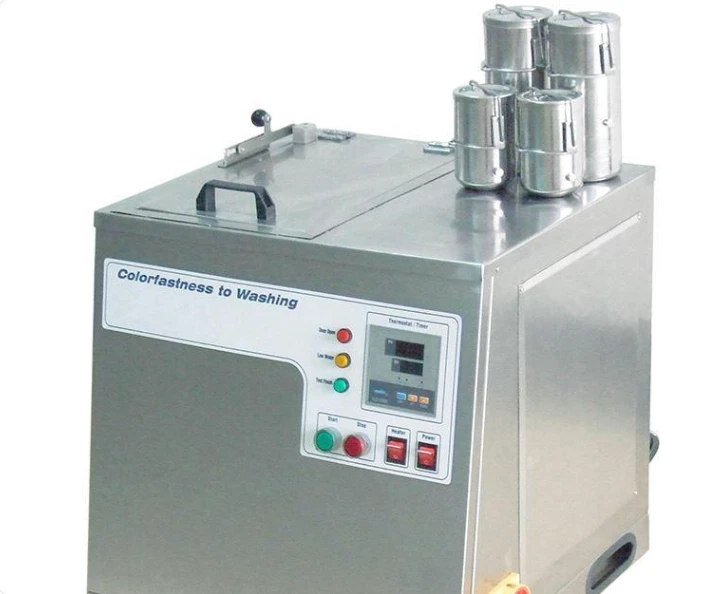
A reliable testing program should evaluate antibacterial performance both before and after washing.
For manufacturers and buyers, ISO 20743 is a relevant international testing standard for evaluating the antibacterial activity of textile products. The appropriate test method and conditions should be selected according to the fabric and intended application.
Instead of relying solely on general antibacterial claims, buyers should request test reports that identify the testing method, bacterial strains, test conditions, and measured results.
5. What Should Buyers Look for When Sourcing Bamboo Microfiber Fabric?
Choosing a suitable fabric supplier involves more than comparing prices and color options. Buyers should also evaluate production consistency, customization capabilities, and quality control.
Here are five important factors to consider.
1. Fiber composition
Confirm whether the fabric uses bamboo viscose, another regenerated cellulose fiber, or a blend. The actual composition influences dyeing conditions and final performance.
2. Fabric specifications
Check fabric weight (GSM), width, yarn characteristics, construction, hand feel, and intended application. These specifications help determine whether the material is suitable for the finished product.
3. Dyeing quality
Ask about dye selection, color matching, color fastness, and batch-to-batch consistency. These factors are particularly important for brands that require repeat orders.
4. Functional testing
If antibacterial performance is part of the product specification, request supporting laboratory reports. Also check whether testing has been conducted after washing.
5. Customization and production capability
A capable bamboo microfiber fabric manufacturer should be able to discuss different fabric specifications, color requirements, finishing options, and order quantities.
For brands with specific product development needs, customized fabric development can also be an important consideration.
6. Bamboo Microfiber Fabric for Different Textile Applications
Because of its soft texture and versatile properties, bamboo microfiber fabric can be considered for various textile applications.
Suitable for T-shirts, casual clothing, and lightweight garments where softness and comfort are important.
Its smooth hand feel and moisture-related properties make it a potential choice for next-to-skin products.
Bamboo-based fabrics are often considered for baby clothing and accessories that require a soft fabric surface.
Depending on the construction and specifications, it can be developed for bedding, pillowcases, and other household textile products.
Selected constructions and blends may be suitable for lightweight sportswear and comfortable everyday clothing.
The final fabric specification should always be matched to the intended application rather than relying on the bamboo content alone.
7. Sourcing Bamboo Microfiber Fabric Directly from a Manufacturer
For overseas fabric buyers, working directly with a factory can make communication, customization, and production follow-up more straightforward.
When looking for a reliable bamboo microfiber fabric supplier, it is worth checking several practical details before placing an order.
Bulk Bamboo Microfiber Fabric Orders
For garment factories, wholesalers, and textile distributors, bulk purchasing requires consistent specifications and stable production quality. Confirm minimum order quantities, lead times, and color consistency before arranging large-volume orders.
Bamboo Microfiber Fabric Wholesale
If you are sourcing fabric for wholesale distribution, compare fabric composition, GSM, width, dyeing quality, and available colors. Consistent specifications are essential when supplying multiple customers or production facilities.
Bamboo Microfiber Fabric ODM Services
For brands with their own product concepts, ask whether the manufacturer can support ODM or customized fabric development. Depending on production capabilities, customization may include fabric construction, color development, finishing, and other technical specifications.
Bamboo Microfiber Fabric in Stock
If your project requires a shorter delivery time, ask about available stock fabrics, existing colors, and ready-to-ship specifications. Stock availability may vary by weight, width, composition, and color.
Bamboo Microfiber Fabric at a Competitive Price
When comparing bamboo microfiber fabric at a low price, consider the complete specification rather than the quoted price alone. Fiber composition, fabric weight, dyeing quality, and finishing requirements can all influence the final cost.
Bamboo Microfiber Fabric Free Sample
Before confirming a bulk order, request a free sample if available. A physical sample allows you to check the hand feel, color, thickness, drape, and suitability for your manufacturing process.
8. Work with a Bamboo Microfiber Fabric Manufacturer for Your Next Project
Selecting the right bamboo microfiber fabric involves balancing fabric comfort, dyeing quality, functional requirements, and production cost.
For brands and manufacturers, the most practical approach is to start with clear fabric specifications and application requirements. If antibacterial performance is essential, make sure it is supported by appropriate laboratory testing rather than relying on general claims about bamboo fibers.
As a fabric manufacturer, we understand that different buyers have different requirements for fabric composition, weight, color, construction, and finishing.
Whether you are looking for bamboo microfiber fabric for apparel, underwear, baby products, or home textiles, we can discuss suitable specifications and customization options for your project.
Contact our team to discuss your requirements, request a fabric quotation, or ask about sample availability. We welcome inquiries from garment manufacturers, textile wholesalers, sourcing companies, and international brands looking for a reliable bamboo microfiber fabric supplier.