


As a vintage satin fabric supplier, I've witnessed firsthand the allure and elegance that these timeless materials bring to various projects. Vintage satin fabric, with its smooth texture and luxurious sheen, is a favorite among designers, collectors, and enthusiasts alike. However, to preserve its beauty and quality over time, proper storage is essential. In this blog post, I'll share some expert tips on how to store vintage satin fabric properly.
Understanding Vintage Satin Fabric
Before delving into storage techniques, it's crucial to understand the unique characteristics of vintage satin fabric. Satin is a weave characterized by a smooth, shiny surface on one side and a duller back. Vintage satin fabrics can be made from various fibers, including silk, polyester, and rayon, each with its own care requirements. Silk satin, for example, is delicate and prone to damage from moisture, sunlight, and pests, while polyester satin is more durable and resistant to these factors.
Choose the Right Storage Location
The first step in storing vintage satin fabric is to select an appropriate location. Ideally, the storage area should be cool, dry, and dark to prevent damage from heat, humidity, and sunlight. Avoid storing satin fabric in attics, basements, or areas prone to flooding or extreme temperature fluctuations, as these conditions can cause the fabric to warp, fade, or develop mildew.
A closet or a storage room with a stable temperature and humidity level is an excellent choice for storing vintage satin fabric. You can also use a climate-controlled storage unit if you have a large collection or if you live in an area with harsh environmental conditions.
Clean the Fabric Before Storage
Before storing vintage satin fabric, it's essential to clean it thoroughly to remove any dirt, stains, or odors. However, be careful when cleaning satin, as it is a delicate fabric that can be easily damaged by harsh chemicals or excessive agitation.
For light stains, spot clean the fabric using a mild detergent and lukewarm water. Gently blot the stain with a clean cloth or sponge, taking care not to rub the fabric too hard. For more stubborn stains, you may need to take the fabric to a professional dry cleaner who specializes in cleaning delicate fabrics.
Once the fabric is clean, allow it to air dry completely before storing it. Avoid using a dryer, as the heat can damage the satin fibers and cause the fabric to shrink or lose its shape.
Fold the Fabric Properly
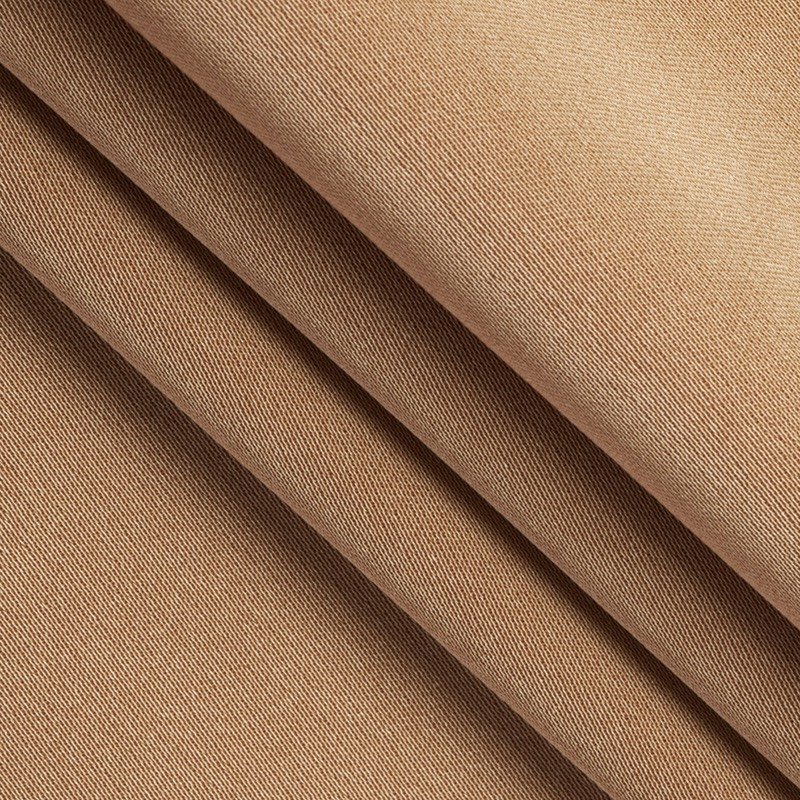
Folding vintage satin fabric correctly is crucial to prevent creasing and damage. To fold the fabric, lay it flat on a clean, smooth surface and smooth out any wrinkles or creases. Then, fold the fabric in half lengthwise, matching the selvages (the finished edges of the fabric). Next, fold the fabric in half again, widthwise, to create a smaller rectangle.
If the fabric is very long, you may need to fold it into thirds or quarters to make it more manageable. However, avoid folding the fabric too tightly, as this can cause permanent creases and damage to the fibers. Instead, use a gentle, loose fold and place a layer of acid-free tissue paper between the folds to protect the fabric.

Store the Fabric in a Protective Container
Once the fabric is folded, store it in a protective container to prevent dust, dirt, and pests from damaging it. A plastic storage bin with a tight-fitting lid is an excellent choice for storing vintage satin fabric, as it provides a barrier against moisture and pests. Make sure to label the container with the type of fabric, the date of storage, and any other relevant information to make it easier to find the fabric when you need it.
You can also use acid-free storage boxes or garment bags to store vintage satin fabric. These containers are made from materials that are safe for fabric and will not cause discoloration or damage over time. Avoid using cardboard boxes or plastic bags that are not acid-free, as they can release chemicals that can damage the fabric.
Add Protection Against Pests
Pests such as moths, silverfish, and beetles can cause significant damage to vintage satin fabric. To protect your fabric from these pests, add some pest deterrents to the storage container. Cedar chips, lavender sachets, or mothballs are all effective natural pest deterrents that can help keep pests away from your fabric.
However, be careful when using mothballs, as they contain chemicals that can be harmful to humans and pets. If you choose to use mothballs, make sure to place them in a sealed container or a porous bag to prevent the chemicals from coming into direct contact with the fabric.
Check the Fabric Regularly
Even if you store your vintage satin fabric properly, it's still important to check it regularly for signs of damage or deterioration. Inspect the fabric every few months for any signs of mold, mildew, pests, or discoloration. If you notice any problems, take immediate action to address them to prevent further damage.
If the fabric has become damp or wet, remove it from the storage container and allow it to air dry completely before returning it to storage. If you find any pests in the storage container, clean the container thoroughly and add fresh pest deterrents.
Conclusion
Proper storage is essential for preserving the beauty and quality of vintage satin fabric. By following these tips, you can ensure that your fabric stays in excellent condition for years to come. Remember to choose the right storage location, clean the fabric before storage, fold it properly, store it in a protective container, add protection against pests, and check the fabric regularly.
If you're interested in purchasing vintage satin fabric for your next project, I invite you to explore our collection of Dyeable Satin Fabric, Double Faced Satin Fabric, and White Polyester Satin Fabric. Our fabrics are carefully selected for their quality and authenticity, and we offer a wide range of colors and patterns to suit your needs.
If you have any questions or would like to discuss your fabric requirements, please don't hesitate to contact us. We're here to help you find the perfect fabric for your project and provide you with the support and guidance you need to ensure its success.
References
- "How to Store Fabric Properly." The Spruce Crafts, https://www.thesprucecrafts.com/how-to-store-fabric-properly-2116342.
- "Storing Vintage Fabrics." Vintage Textile Society International, https://www.vintagetextilesociety.org/storing-vintage-fabrics/.
- "Caring for Satin Fabric." Sewing is Cool, https://sewingiscool.com/caring-for-satin-fabric/.


