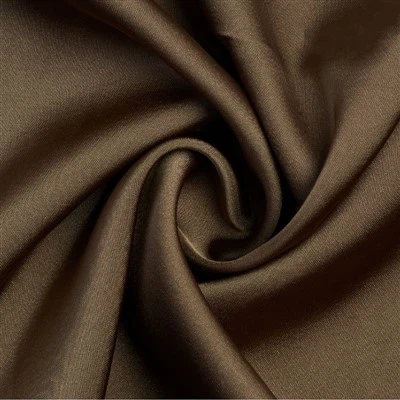
Your Professional Satin Fabric Supplier
With over 30 years of expertise in textile manufacturing, JUNDE remains committed to it's founding principle: putting customers first and crafting every meter of fabric with care and precision.
We specialize in high-end fashion fabrics for women, offering integrated R&D, production, sales, and service. Our comprehensive product line includes TR wool blends, TR color-spun fabrics, Tencel-rayon interwoven textiles, imported high-elastic materials, chemical fibers, specialty yarns, bamboo fiber series, and more. We proudly offer the widest selection of high fastness black fabrics on the market.
-
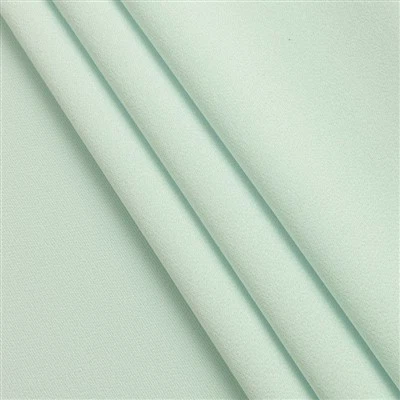
![Deluxe Satin Fabric]() Deluxe Satin FabricFabric Name: JD-3041. Width: 150cm. Weight: 225GSM. Composition: 100%Polyester. Warp Shrinkage: -3%. Weft Shrinkage: -2%
Deluxe Satin FabricFabric Name: JD-3041. Width: 150cm. Weight: 225GSM. Composition: 100%Polyester. Warp Shrinkage: -3%. Weft Shrinkage: -2% -
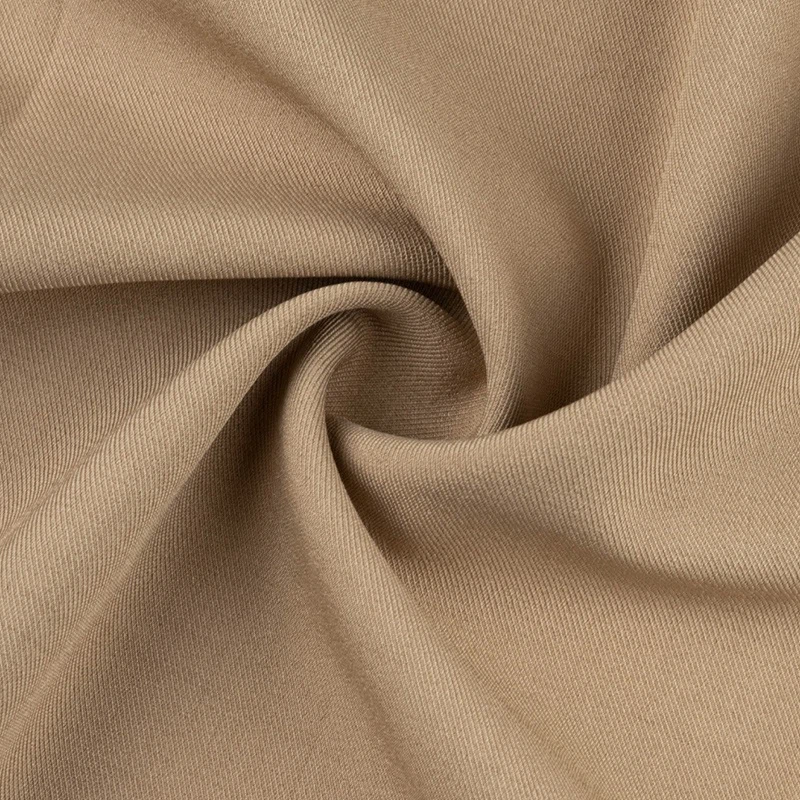
![Luxe Satin Fabric]() Luxe Satin FabricFabric Name: JD-1802. Width: 150cm. Weight: 200GSM. Composition: 100%Polyester. Warp Shrinkage: 0%. Weft Shrinkage: -1%
Luxe Satin FabricFabric Name: JD-1802. Width: 150cm. Weight: 200GSM. Composition: 100%Polyester. Warp Shrinkage: 0%. Weft Shrinkage: -1% -
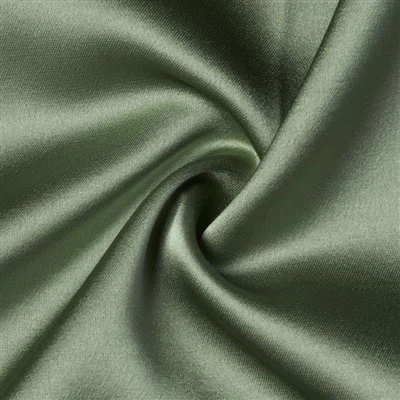
![Pearl Satin Fabric]() Pearl Satin FabricFabric Name: JD-1325. Width: 150cm. Weight: 160GSM. Composition: 100%Polyester. Warp Shrinkage: -0.5%. Weft Shrinkage: -1%
Pearl Satin FabricFabric Name: JD-1325. Width: 150cm. Weight: 160GSM. Composition: 100%Polyester. Warp Shrinkage: -0.5%. Weft Shrinkage: -1% -
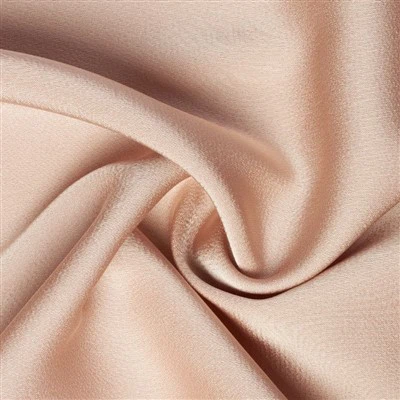
![Recycled Satin Fabric]() Recycled Satin FabricFabric Name: JD-1806. Width: 150cm. Weight: 145GSM. Composition: 100%Polyester. Warp Shrinkage: 0%. Weft Shrinkage: -1%
Recycled Satin FabricFabric Name: JD-1806. Width: 150cm. Weight: 145GSM. Composition: 100%Polyester. Warp Shrinkage: 0%. Weft Shrinkage: -1% -
![Wedding Satin Fabric]() Wedding Satin FabricFabric Name: JD-3053. Width: 150cm. Weight: 135GSM. Composition: 100%Polyester . Warp Shrinkage: -1%. Weft Shrinkage: -1%
Wedding Satin FabricFabric Name: JD-3053. Width: 150cm. Weight: 135GSM. Composition: 100%Polyester . Warp Shrinkage: -1%. Weft Shrinkage: -1% -
![Satin Crush Fabric]() Satin Crush FabricFabric Name: JD-3081Width: 148cmWeight: 115GSMComposition: 100%Polyester Warp Shrinkage: -2%Weft Shrinkage: -1%
Satin Crush FabricFabric Name: JD-3081Width: 148cmWeight: 115GSMComposition: 100%Polyester Warp Shrinkage: -2%Weft Shrinkage: -1% -
![Solid Satin Fabric]() Solid Satin FabricFabric Name: JD-3325. Width: 150cm. Weight: 140GSM. Composition: 100%Polyester . Warp Shrinkage: -1%. Weft Shrinkage: -1%
Solid Satin FabricFabric Name: JD-3325. Width: 150cm. Weight: 140GSM. Composition: 100%Polyester . Warp Shrinkage: -1%. Weft Shrinkage: -1% -
![Washable Satin Fabric]() Washable Satin FabricFabric Name: JD-3350. Width: 151cm. Weight: 130GSM. Composition: 100%Polyester . Warp Shrinkage: -1%. Weft Shrinkage: -1%
Washable Satin FabricFabric Name: JD-3350. Width: 151cm. Weight: 130GSM. Composition: 100%Polyester . Warp Shrinkage: -1%. Weft Shrinkage: -1% -
![Double Faced Satin Fabric]() Double Faced Satin FabricFabric Name: JD-3657. Width: 151cm. Weight: 200GSM. Composition: 100%Polyester . Warp Shrinkage: -2%. Weft Shrinkage: -1.5%
Double Faced Satin FabricFabric Name: JD-3657. Width: 151cm. Weight: 200GSM. Composition: 100%Polyester . Warp Shrinkage: -2%. Weft Shrinkage: -1.5% -
![Faux Satin Fabric]() Faux Satin FabricFabric Name: JD-3907. Width: 150cm. Weight: 125GSM. Composition: 100%Polyester . Warp Shrinkage: -1%. Weft Shrinkage: -1%
Faux Satin FabricFabric Name: JD-3907. Width: 150cm. Weight: 125GSM. Composition: 100%Polyester . Warp Shrinkage: -1%. Weft Shrinkage: -1% -
![Double Satin Fabric]() Double Satin FabricFabric Name: JD-6008. Width: 151cm. Weight: 195GSM. Composition: 100%Polyester . Warp Shrinkage: -2%. Weft Shrinkage: -2%
Double Satin FabricFabric Name: JD-6008. Width: 151cm. Weight: 195GSM. Composition: 100%Polyester . Warp Shrinkage: -2%. Weft Shrinkage: -2% -
![Multicolor Satin Fabric]() Multicolor Satin FabricFabric Name JD-7011. Width 151cm. Weight 180GSM. Composition 100%Polyester . Warp Shrinkage -1%. Weft Shrinkage -2.5%
Multicolor Satin FabricFabric Name JD-7011. Width 151cm. Weight 180GSM. Composition 100%Polyester . Warp Shrinkage -1%. Weft Shrinkage -2.5%


Why choose us
Our Certificate
All our products have passed GRS, OEKO-TEX, Controlunion, In Check, This demonstrates that they meet international standards for quality, safety, and performance.
Customized services
Diverse Designs & Techniques To MeetYour Custom Needs,Tailored Solutions ForProfessional Partners
Quality Assurance
In terms of quality assurance, the company strictly follows the standards and norms of the industry quality system. Adopt industry-leading testing equipment to ensure product quality and good reputation.
Competitive Price
We have a professional purchasing team and costing team, trying to reduce costs and increase our profits, and provide you with a good price.
Satin Fabric
Satin is a weave pattern characterized by its smooth, glossy surface. It is not a type of fiber but a way of weaving fibers. Satin can be made from various materials, including silk, polyester, acetate, and nylon. It is known for its luxurious feel and lustrous appearance.
|
Fabric Name |
JD-3041 |
|
Width |
150cm |
|
Weight |
225GSM |
|
Composition |
100%Polyester |
|
Warp Shrinkage |
-3% |
|
Weft Shrinkage |
-2% |
Advantages of Satin Fabric


Luxurious Feel: Satin is celebrated for its sumptuous and silky texture. It feels exceptionally smooth and soft against the skin, making it a popular choice for high-end clothing, lingerie, and bedding.
Durability: Despite its delicate appearance, satin is a surprisingly durable fabric. When properly cared for, it can withstand wear and tear, making it suitable for both clothing and upholstery.
Versatility: Satin is an incredibly versatile fabric. It can be made from various materials, including silk, polyester, and more. This versatility allows it to cater to a wide range of budgets and preferences. Satin can be used for anything from formal evening gowns to everyday clothing, home furnishings, and even accessories.
High Sheen: Satin’s glossy surface and high sheen are some of its most recognizable features. This natural or artificial luster adds a touch of elegance and sophistication to anything it adorns.
Color Vibrancy: Satin has the ability to hold vibrant and deep colors exceptionally well. This makes it a favored choice for garments and accessories where color richness is desired.
Drapability: Satin has excellent draping qualities, which means it falls gracefully and molds to the body’s contours. This characteristic enhances the appearance of clothing, especially in dresses and skirts.
Temperature Regulation: Satin has inherent temperature-regulating properties. It can feel cool against the skin in warm weather and provide warmth in colder conditions, making it suitable for a wide range of climates.
Stain Resistance: While not completely stain-proof, some satin fabrics are treated to be more resistant to stains and spills. This feature enhances its usability in various settings.
Elegance and Timelessness: Satin exudes an aura of elegance and timelessness. It has been a fashion favorite for centuries and continues to be a symbol of refinement and luxury.
Easy to Embellish: Satin’s smooth surface is ideal for embellishments like embroidery, beading, and sequins. It readily accepts decorative elements, making it a top choice for special occasion garments.
Plain Satin Fabric
Plain satin fabric is often known as the simplest weave. It has a warp-faced construction. This means the warp yarns float over multiple yarns. It creates a smooth and glossy front surface.
Antique Satin
This reversible satin weave is also popular for its name, “satin-back crepe.” Antique satin has two different surface characteristics. On one side is a satin face, while on the other side is a crepe.
Duchess Satin
Duchess satin represents a heavy-weight satin weave. It has a high thread count. It often comes from silk or synthetic fibers, creating a luxurious drape.
Charmeuse Satin
This is a lightweight satin weave that comes from silk and synthetic fibers. This has two different surfaces. It is glossy in front and dull at the back.
Slipper Satin
This one falls in the middle of a heavy and light weave. It has a medium-weight satin weave. It provides excellent usage for drapery and bridal gowns.
Baronet Satin
Baronet satin comes from rayon warp and cotton weft threads. The rayon warp threads create a gleaming surface. And the cotton weft threads provide strength and durability.
Messaline
Messaline is a lightweight satin with a shiny sheen. It comes from rayon or silk. Its smooth and gleaming surface makes it great for flattering and comfortable dresses.
Applications of Satin Fabric
Clothing:
Satin is a popular choice for clothing, especially in formal and eveningwear. It is used to create elegant dresses, blouses, skirts, and even lingerie due to its luxurious sheen and smooth texture.
Home Décor:
Satin is employed in various home décor items such as curtains, drapes, throw pillows, and bed linens. Its lustrous appearance can enhance the overall aesthetic of a room.
Bedding:
Satin bed sheets and pillowcases are prized for their softness and smoothness against the skin. They can provide a comfortable night’s sleep while adding an element of luxury to the bedroom.
Accessories:
Satin is used for making accessories like neckties, scarves, and handbags. Its glossy surface makes it an attractive choice for fashion accessories.
Costumes:
Satin is often used in theatrical and costume design due to its vibrant colors and ability to create visually striking garments.
Crafts:
Craft enthusiasts use satin for various projects, including quilting, embroidery, and decorative accents in DIY crafts.
Manufacturing Process of Satin Fabric

Weaving Technique
Satin is woven with a special satin weave that creates a smooth, shiny surface, reflecting light for its glossy finish.

Dyeing Satin Fabrics
Satin is dyed using methods like solution dyeing or piece dyeing to achieve rich, vibrant colors while maintaining its shine.
Finishing Methods
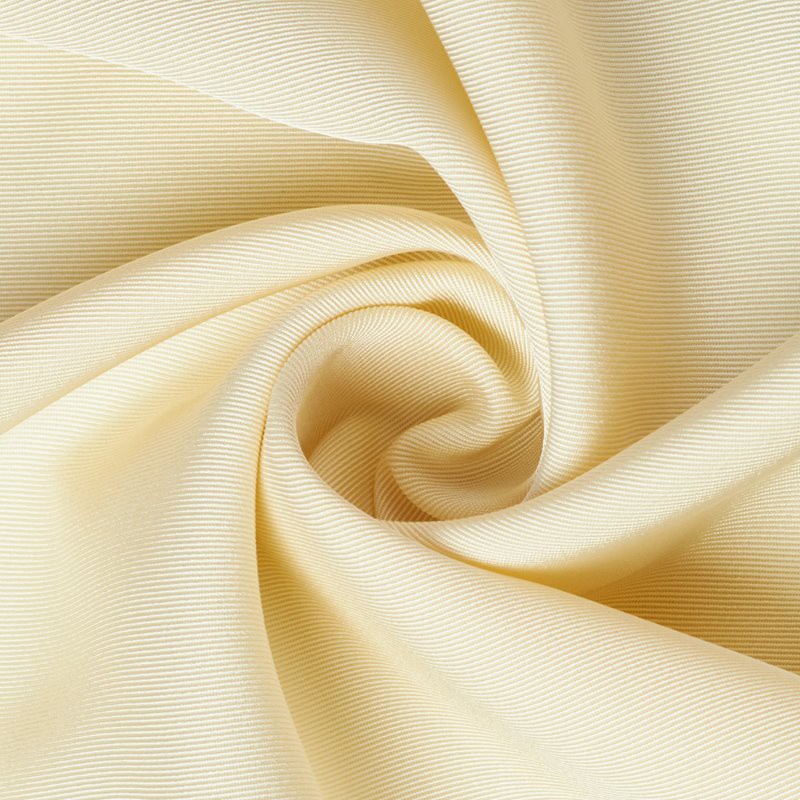
After weaving and dyeing, techniques like heat setting and pressing enhance the fabric’s shine, smoothness and durability.
The Role of Satin Fabric in Fashion and Design
Luxury Fashion
Satin is common in eveningwear and bridal gowns, enhancing glamour with its shiny, smooth look. It’s used in couture collections for a sophisticated and elegant appearance.
Satin in Street Fashion
Satin has become popular in casual wear like slip dresses, bomber jackets and skirts, adding a touch of luxury to everyday outfits.
Satin in Accessories
Satin is used in accessories like scarves, handbags and shoes, giving them a chic, polished look that makes them stand out.
How to Clean Satin Fabric
Check the Care Label:
Always start by checking the care label on the satin fabric for specific cleaning instructions. Follow any recommendations provided by the manufacturer.
Spot Test:
Before attempting any cleaning, perform a spot test on an inconspicuous area of the fabric to ensure that the cleaning method doesn’t cause discoloration or damage.
Regular Dusting:
To prevent dust and dirt from settling into the fabric, regularly dust or gently shake the satin item. You can use a soft, dry cloth or a soft brush for this purpose.
Hand Washing:
For small satin items like lingerie or delicate clothing, hand washing is often recommended. Use a mild detergent and lukewarm water. Gently agitate the water and then submerge the item. Avoid wringing or twisting the fabric, as this can damage the fibers. Rinse thoroughly with cool water.
Stain Removal
Act Quickly:
If a stain occurs, address it promptly. Blot the stain with a clean, white cloth or paper towel to absorb as much of the substance as possible. Avoid rubbing, as this can push the stain deeper into the fabric.
Use a Mild Detergent:
For fresh stains, you can try using a mild, colorless detergent mixed with water. Apply the solution to the stain using a soft cloth or sponge, and gently blot. Rinse thoroughly with cool water.
Avoid Harsh Chemicals:
Do not use harsh chemicals or bleach on satin, as they can damage the fabric’s sheen and integrity.
Dry Cleaning:
For stubborn stains or larger items like satin curtains or upholstery, it’s often best to consult a professional dry cleaner with experience handling delicate fabrics like satin.
Care Tips of Satin Fabric
Dry-cleaning is the preferred method of caring for all types of satin, though synthetic ones can be hand-washed at home.
Most satin items can be ironed. Press them inside out on low heat. It’s always better to use some kind of protection, like a piece of cotton fabric you can buy online at Tissura, or a special iron shoe.
Water spray can leave spots on satin fabric, so avoid it when ironing.
Satin garments should not be wrung. Instead, let them dry on a hanger, away from sun.
Embroidered satin fabric is a treasure, especially if it includes sequins, beads and crystals. Such fabrics should be cared for with utmost attention. Turn to professionals not to damage the embroidered pattern.
FAQ
As one of the most professional satin fabric manufacturers and suppliers in China, we're featured by quality products and low price. Please rest assured to wholesale bulk satin fabric in stock here from our factory. Contact us for ODM service and free sample.
embossed satin fabric, Luxe Satin Fabric, rose satin fabric