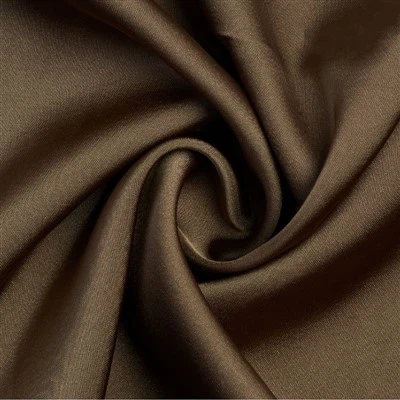
Your Professional TR Without Spandex Fabric Supplier
With over 30 years of expertise in textile manufacturing, JUNDE remains committed to it's founding principle: Putting customers first and crafting every meter of fabric with care and precision.
We specialize in high-end fashion fabrics for women, offering integrated R&D, production, sales, and service. Our comprehensive product line includes TR wool blends, TR color-spun fabrics, Tencel-rayon interwoven textiles, imported high-elastic materials, chemical fibers, specialty yarns, bamboo fiber series, and more. We proudly offer the widest selection of high fastness black fabrics on the market.
-
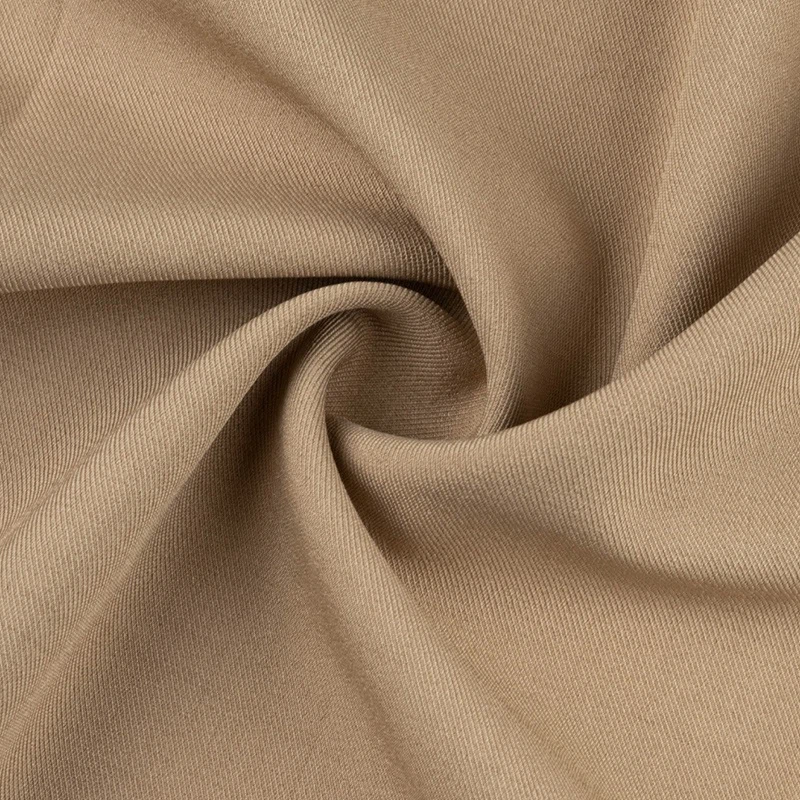
![TR Shirt Fabric]() TR Shirt FabricFabric Name: JD-1328. Width: 143cm. Weight: 205GSM. Composition: 8%Polyester 92%RAYON. Warp Shrinkage: -1.5%. Weft Shrinkage: -5%
TR Shirt FabricFabric Name: JD-1328. Width: 143cm. Weight: 205GSM. Composition: 8%Polyester 92%RAYON. Warp Shrinkage: -1.5%. Weft Shrinkage: -5% -
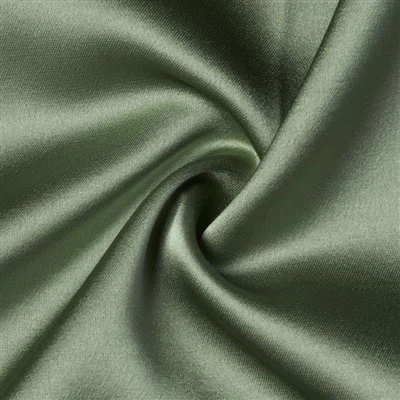
![TR Shirting Fabric]() TR Shirting FabricFabric Name: JD-1730. Width: 140cm. Weight: 175GSM. Composition: 36%Polyester 64%RAYON. Warp Shrinkage: -2%. Weft Shrinkage: -3.5%
TR Shirting FabricFabric Name: JD-1730. Width: 140cm. Weight: 175GSM. Composition: 36%Polyester 64%RAYON. Warp Shrinkage: -2%. Weft Shrinkage: -3.5% -
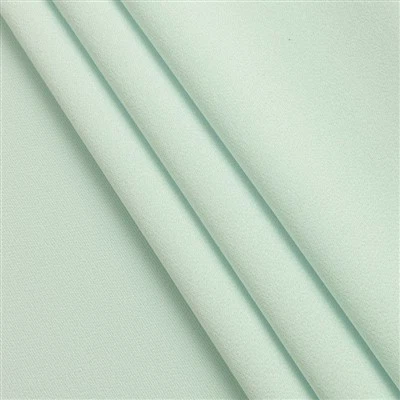
![Synthetic Fabric TR]() Synthetic Fabric TRFabric Name: JD-1256. Width: 151cm. Weight: 125GSM. Composition: 43%Polyester 57%RAYON. Warp Shrinkage: -4%. Weft Shrinkage: -1%
Synthetic Fabric TRFabric Name: JD-1256. Width: 151cm. Weight: 125GSM. Composition: 43%Polyester 57%RAYON. Warp Shrinkage: -4%. Weft Shrinkage: -1% -
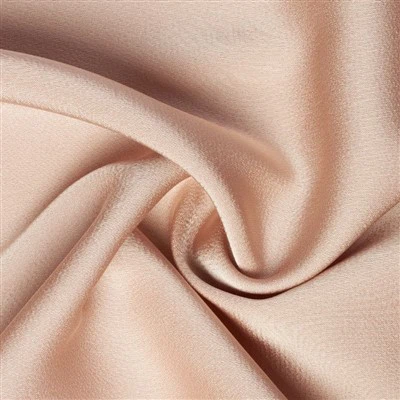
![TR Twill Woven Fabric]() TR Twill Woven FabricFabric Name: JD-1719. Width: 141cm. Weight: 130GSM. Composition: 13%Polyester 87%RAYON. Warp Shrinkage: 0%. Weft Shrinkage: -5%
TR Twill Woven FabricFabric Name: JD-1719. Width: 141cm. Weight: 130GSM. Composition: 13%Polyester 87%RAYON. Warp Shrinkage: 0%. Weft Shrinkage: -5% -
![TR Blend Fabric for Suit]() TR Blend Fabric for SuitFabric Name: JD-3652. Width: 148cm. Weight: 185GSM. Composition: 39%Polyester 61%RAYON. Warp Shrinkage: -5%. Weft Shrinkage: -1%
TR Blend Fabric for SuitFabric Name: JD-3652. Width: 148cm. Weight: 185GSM. Composition: 39%Polyester 61%RAYON. Warp Shrinkage: -5%. Weft Shrinkage: -1% -
![TR Twill Fabric]() TR Twill FabricFabric Name: JD-7003. Width: 148cm. Weight: 185GSM. Composition: 38%Polyester 62%RAYON. Warp Shrinkage: -8%. Weft Shrinkage: -1%
TR Twill FabricFabric Name: JD-7003. Width: 148cm. Weight: 185GSM. Composition: 38%Polyester 62%RAYON. Warp Shrinkage: -8%. Weft Shrinkage: -1% -
![TR Fabric Suiting]() TR Fabric SuitingFabric Name: JD-8803. Width: 146cm. Weight: 230GSM. Composition: 26%Polyester 74%RAYON. Warp Shrinkage: -1%. Weft Shrinkage: -6%
TR Fabric SuitingFabric Name: JD-8803. Width: 146cm. Weight: 230GSM. Composition: 26%Polyester 74%RAYON. Warp Shrinkage: -1%. Weft Shrinkage: -6% -
![TR Fabric for Suit]() TR Fabric for SuitFabric Name: JD-8811. Width: 146cm. Weight: 150GSM. Composition: 25%Polyester 75%RAYON. Warp Shrinkage: -8%. Weft Shrinkage: -0.5%
TR Fabric for SuitFabric Name: JD-8811. Width: 146cm. Weight: 150GSM. Composition: 25%Polyester 75%RAYON. Warp Shrinkage: -8%. Weft Shrinkage: -0.5%


Why choose us
Our Certificate
All our products have passed GRS, OEKO-TEX, Controlunion, In Check, This demonstrates that they meet international standards for quality, safety, and performance.
Quality Assurance
In terms of quality assurance, the company strictly follows the standards and norms of the industry quality system. Adopt industry-leading testing equipment to ensure product quality and good reputation.
Competitive Price
We have a professional purchasing team and costing team, trying to reduce costs and increase our profits, and provide you with a good price.
Customized services
Diverse Designs & Techniques To MeetYour Custom Needs,Tailored Solutions ForProfessional Partners
Synthetic Fabric TR
TR Synthetic fibers are artificial materials created by synthesizing polymers, chemicals, and other raw materials. Subsequently, T-Shirts of these fibers are engineered to possess specific properties, making them versatile and suitable for various applications in the textile industry. Unlike natural fibers, such as cotton or wool, synthetic fibers are produced through industrial processes, allowing precise control over their characteristics. Common examples of synthetic fibers include polyester, nylon, and acrylic. Polyester, known for its durability and wrinkle resistance, is widely used in clothing like Jackets and home textiles. Nylon, appreciated for its strength and elasticity, finds applications in hosiery and outdoor gear. Acrylic, valued for its softness and warmth, is often used in knitwear.
|
Fabric Name |
JD-1256 |
|
Width |
151cm |
|
Weight |
125GSM |
|
Composition |
43%Polyester 57%RAYON |
|
Warp Shrinkage |
-4% |
|
Weft Shrinkage |
-1% |
Strength
One of the most notable characteristics of TR synthetic fabrics is their strength. Unlike natural fibers, which can vary in strength depending on their source, synthetic fibers are engineered to be consistently strong.
Durability
TR Synthetic fabrics are renowned for their durability. They resist wear and tear much better than many natural fibers, which tend to degrade over time. This durability makes synthetic fabrics particularly suitable for high-stress environments where longevity is crucial.
Wrinkle resistance
TR Another advantageous property of synthetic fabrics is their wrinkle resistance. Unlike natural fibers like cotton or linen, which can wrinkle easily and require frequent ironing, synthetic fabrics are designed to maintain a smooth, neat appearance.


Weather resistance
TR Synthetic fabrics are less susceptible to damage from environmental factors such as mold, mildew, and moisture. This weather resistance makes them ideal for outdoor applications where exposure to the elements is a concern.
Colorfastness
TR Synthetic fabrics are known for their excellent colorfastness, meaning they retain their color well even after repeated washing and exposure to sunlight. This is a significant advantage over natural fibers, which can fade over time.
Easy maintenance
One of the most consumer-TR friendly characteristics of synthetic fabrics is their ease of maintenance. These fabrics are often machine washable and dry quickly, reducing the time and effort needed for care. Additionally, many synthetic fabrics are resistant to shrinking and stretching, maintaining their shape and size after washing.
Type of Synthetic Fabric TR
Polyester
It is the most well-known and popular of all the synthetics that are available to you as a customer. It is manufactured from a polymer known as polyethylene terephthalate. The special feature of this chemical is its strong and stiff nature, creating fabrics that hold up well to wear and tear.
Nylon
It is another synthetic that one has definitely used in their day-to-day life. One may find nylon in any of the clothes that have a tendency to repel water since it is excellent at not absorbing liquids. These clothes are very lightweight, and the fabric is strong enough as well as resistant to tears.
Spandex
This fiber is commonly found in clothing because it tends to manufacture elastic, form-fitting outfits that are stretchy and comfortable in nature. It has multiple names, including lycra or elastane, and is basically blended with other kinds of fibers to give them a stretch nature.
Neoprene
It is a waterproof fabric, also known as Scuba Knit Fabric, a synthetic alternative to rubber or other natural products. It is manufactured from polychloroprene, which is stretched into fibers and then woven to manufacture highly stretchy fabrics that retain heat.
Acrylic
It is a petroleum-based synthetic that is majorly used to make fabrics for fashion and apparel. The synthetic material is made from Polymethylmethacrylate (PMMA). Acrylic fibers are simply a kind of polymers made of one key ingredient, acrylonitrile or vinyl cyanide.
Textile
Synthetic fabrics are majorly been used in the textile industry due to their excellent properties such as durability, and resistance to wrinkling, staining, and fading. Examples of commonly used synthetic fibers include polyester, nylon, and spandex.
Industrial Applications
These are used in various industrial applications because of their strength and durability properties. They are simply used in the manufacture of ropes, cables, and composites, as well as in concrete reinforcement in the construction sector.
Sports Equipment
These are used in the sporting industry, including includes manufacturing of tennis rackets, fishing lines, and ski ropes because of their high strength and resistance to stretching.

Medical Applications
These fibers are also been utilized in medical textiles, particularly in medical implants, sutures, and wound dressings due to their biocompatibility and non-reactivity with human tissue.
Automotive Applications
Synthetic fabrics are also been used in the automotive industry such as seat belts, airbags, and tire reinforcement due to their strength and ability to sustain high stress.
Packaging
Integrated factory strength to support all kinds of tape customization,with paper base,cloth base,glue,coating all raw material production capacity
Home Textile
Synthetic fabrics are used in applications of home décor like carpets, rugs, and curtains because of special features of durability and resistance to staining and fading.
Properties of Synthetic Fabric TR
Chemical composition
These fabrics have a uniform chemical composition and structure, because of which they possess excellent properties and performance. They are simply being made by extruding the polymer through small holes, which manufactures the fibers. The fibers are then spun into yarn and then simply woven into fabric.
Easy care
These are found to be more often machine washable and quick-drying, which makes them easy to care for. This is a special feature over natural fibers, which often require special washing and care.
Durability
These fabrics are also more durable than any natural fibers, making them very ideal for heavy-duty applications. They possess the property of being resistant to wear and tear as well as can sustain harsh conditions and repeated use.
Wrinkle resistance
These fabrics are mostly resistant to wrinkling, which makes them suitable for use in clothing and home furnishings applications. They possess the property to retain their shape and form, even after multiple washings and wear.
Strength
These fabrics are known for their strength, which is usually greater than that of fabrics. This property makes the more suitable for application in products that simply require high strength, e.g., ropes, cords, and other industrial applications.
Elasticity
They have a good stretch as well as recovery ability, which makes them preferable for use in elastic clothing and sportswear.
Versatility
They are available in a huge range of colors, styles, and textures, which makes them more versatile for use in a variety of applications. Even, it is possible to make them look like natural fibers, such as silk or wool, or to have their own unique texture and appearance.
Low cost
This fabric are generally found to be less expensive to manufacture than natural fibers, which makes them more affordable for consumers. This makes them appropriate for use in applications such as clothing, bedding, and home furnishings.
How to dye TR synthetic fabric
Preparation
The first step is to clean the fabric to remove any finishes or impurities. Synthetic fibers often have a scouring process to eliminate oils and other contaminants that could affect dye adhesion.
Dye Bath
A dye bath is prepared by dissolving the disperse dye in water. The dyeing process requires precise measurement and adjustment of the dye-to-fabric ratio, as synthetic fibers tend to have a low affinity for dyes.
Heat
Different synthetic fibers require different temperatures for the dyeing process. For nylon, the dye bath is usually heated to around 140-194°F (60-90°C), as nylon is a polyamide and requires a moderate temperature to absorb the dye. On the other hand, polyester fabrics need a higher temperature—between 248-284°F (120-140°C)—to allow the dye molecules to penetrate the polymer structure. The high heat is necessary to help the dye particles bond with the hydrophobic polyester.
Immersion
The fabric is then immersed in the dye bath, and it is continuously stirred to ensure even dyeing. This step can take anywhere from 30 minutes to several hours, depending on the desired depth of color and type of fabric.
Rinse and Dry
After dyeing, the fabric must be thoroughly rinsed to remove any excess dye, preventing it from bleeding during future washes. The fabric is then dried, typically through air drying or machine drying, depending on the type of fiber.
FAQ
As one of the most professional tr without spandex fabric manufacturers and suppliers in China, we're featured by quality products and low price. Please rest assured to wholesale bulk tr without spandex fabric in stock here from our factory. Contact us for free sample.
TR Shirting Fabric, lightweight polyester viscose fabric, Polyester viscose women s clothing fabric